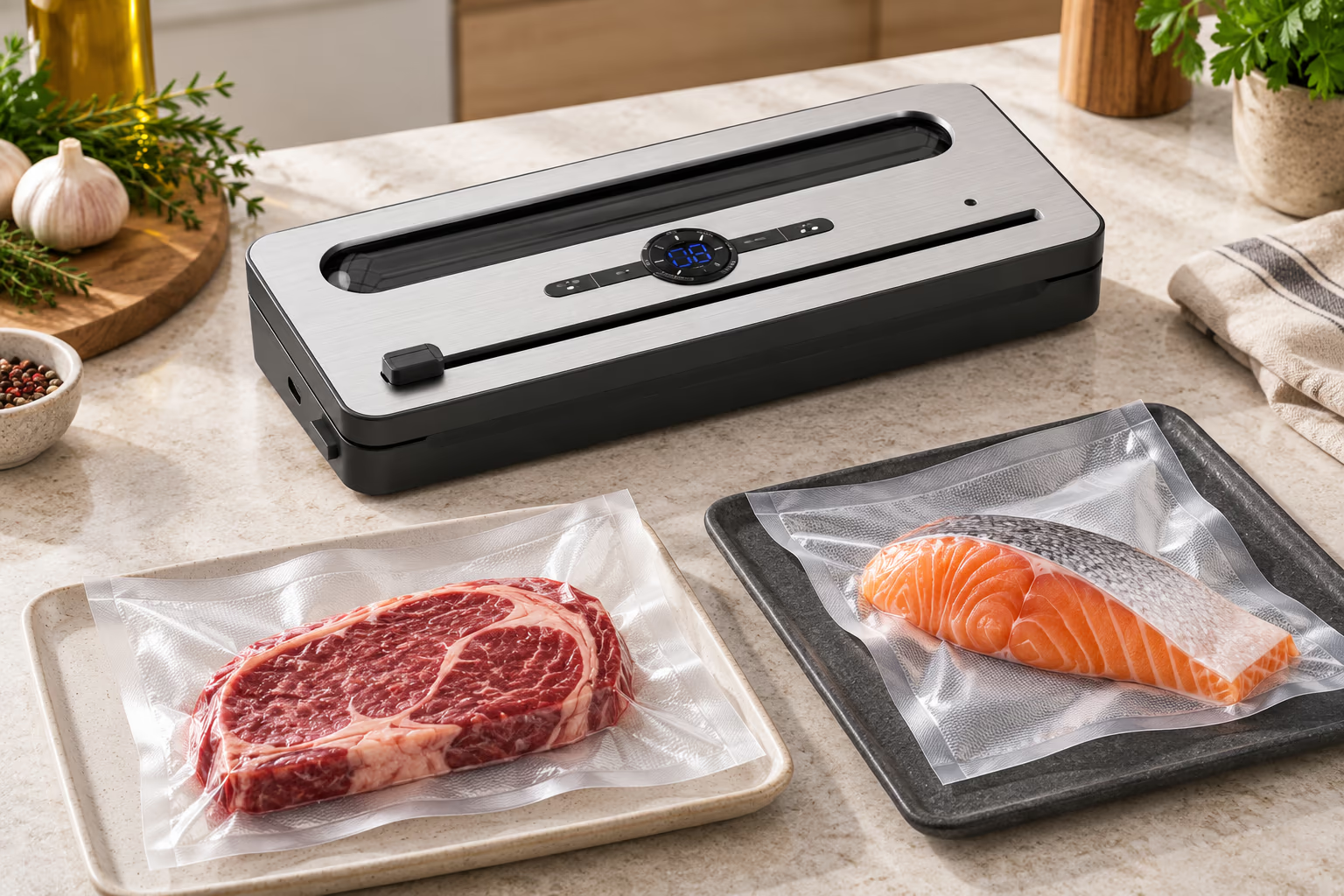
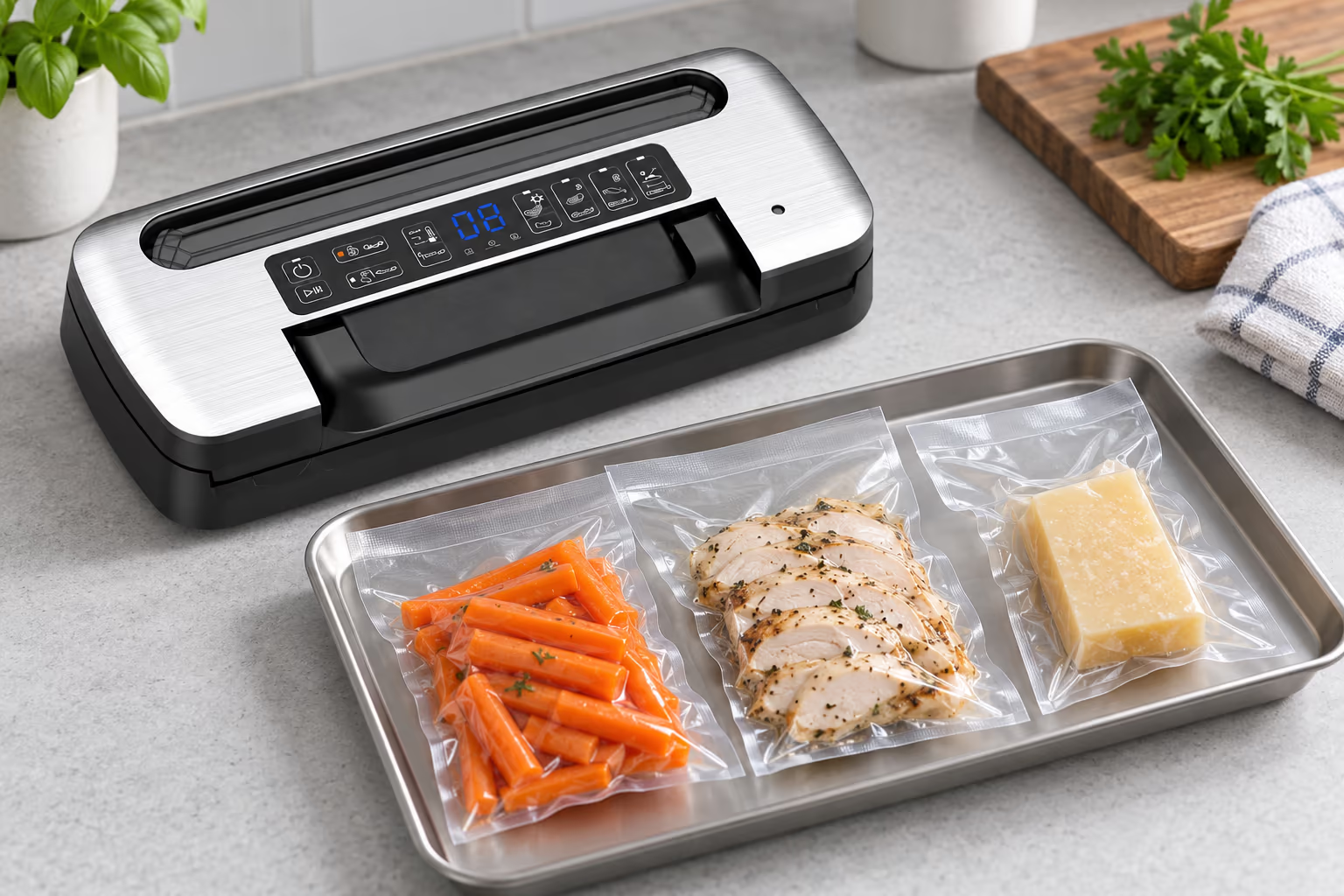
Vacuum sealing helps a cooking pouch fit around food and reduces trapped air that can interfere with contact with the water bath. A good vacuum seal is a packaging result, not a cooking or pasteurisation result. Bag suitability, seal integrity, full food submersion and a validated time–temperature process each have a separate job.
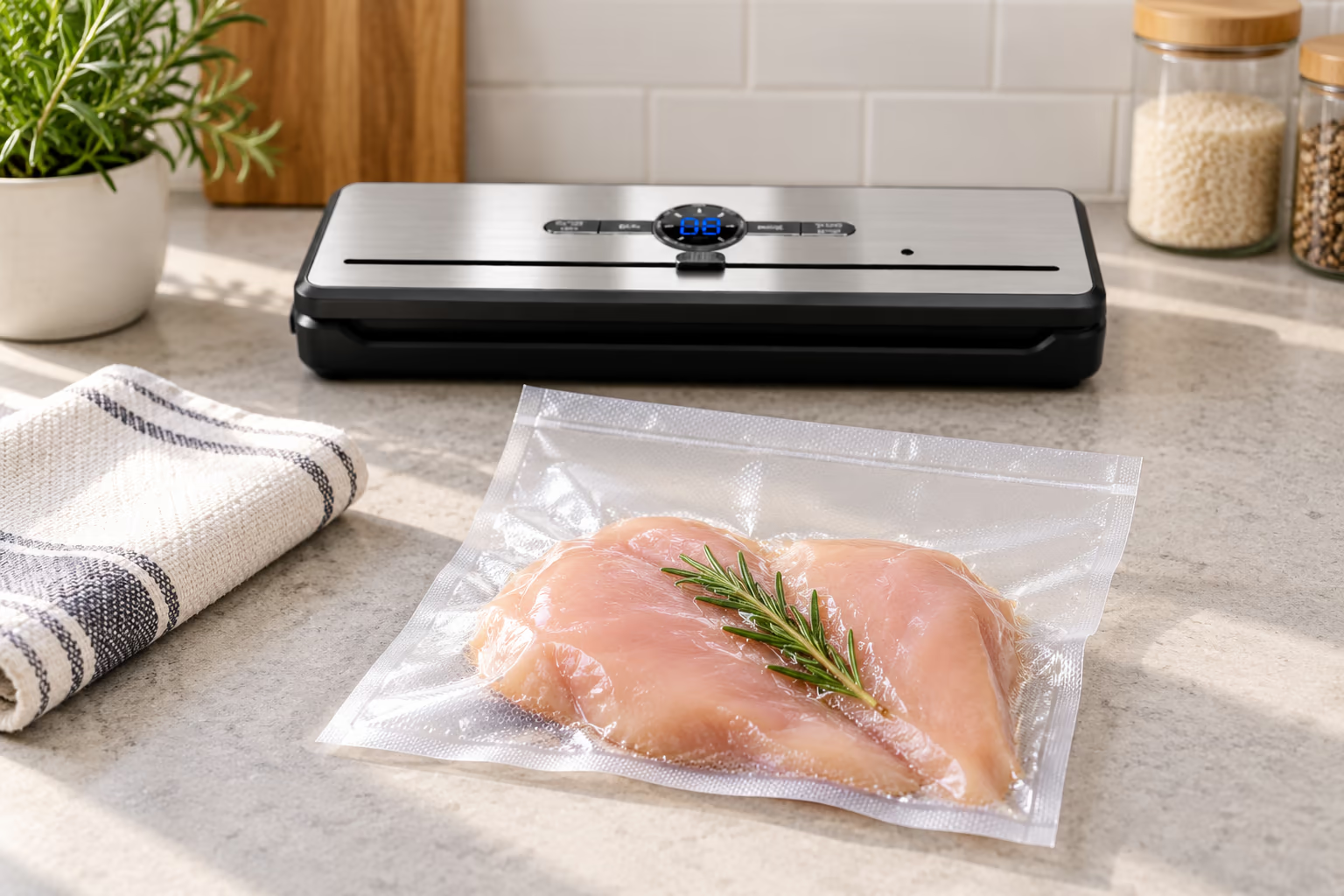
Choose a Pouch for the Actual Cooking Conditions
Ask the supplier for documented suitability for the food type, contact temperature and duration. Freezer suitability does not automatically establish cooking suitability. A broad label such as food grade or BPA-free does not answer whether a pouch is appropriate for a particular long cook.
The film, sealing layer and finished seam must all tolerate the intended use. Avoid claiming that any cooking-rated bag guarantees zero chemical migration: compliance depends on the applicable requirements and stated conditions. Keep the supplier’s usage limits with the recipe and equipment records. For other bag-selection questions, see how to choose a vacuum bag.
External and Chamber Machines: Match the Workflow
Most countertop channel-type external sealers use embossed bags. Food remains outside the machine while the open neck reaches the vacuum channel. Nozzle-type designs may use other formats. Follow the model’s instructions for loading, sealing and cooling; the VATA25P is one external-suction example.
Chamber machines normally accept smooth chamber pouches and are often more suitable for liquid-rich recipes. They still have fill limits and operating conditions. Low pressure can make a liquid boil during the cycle, especially if it is warm. Chamber construction does not make every seam stronger: film, heat, contact pressure, contamination and cooling also determine seam quality.
Complete the Seal Before Cooking
- Prepare the portion and pouch. Use a suitable cooking bag and follow hygienic preparation and temperature controls. Make the bottom seal first if using a roll. Allow the empty neck required by the sealer.
- Load without contaminating the neck. Keep oil, liquid, crumbs and folds out of the sealing strip. Arrange portions so the recipe’s thickness assumptions still apply.
- Remove air with suitable control. Use a supported gentle or pulse function when appropriate. Watch delicate food and rising liquid; maximum vacuum is not always the best setting.
- Seal, cool and inspect. Finish the complete seam before the pouch enters the cooking bath. Wait for the machine’s cooling sequence and inspect across the full width. A second seal is useful only if the pouch and manual allow it; it cannot repair contamination in the first seam.
- Cook using the documented process. Check the bath, loading, timing and food placement. A packing tutorial is not a substitute for a cooking schedule matched to the food, portion thickness and starting temperature.
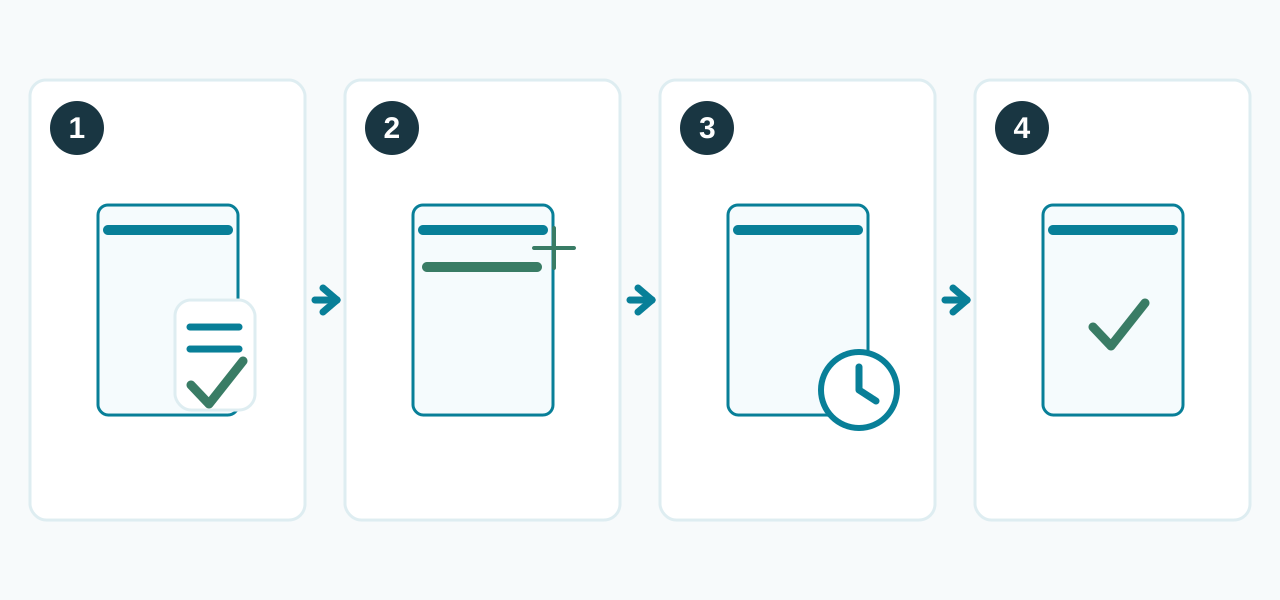
Complete the heat seal before cooking. Never cook a heat-seal pouch with its opening unsealed. An opening can let bath water enter.
Handle Liquids Without Feeding the Pump
A moist programme may alter sealing or cycle behaviour, but its function varies by model. It does not guarantee that suction stops before liquid enters the machine. Do not draw free liquid into a standard external sealer. Use the approved stop/seal controls and clean only the user-accessible parts specified by the manual.
Where appropriate to the recipe and safe handling process, chilling or partially freezing a liquid component can make it easier to pack. This changes the starting conditions, so the cooking schedule must still fit the actual portion. A suitable chamber process is another option for liquid-rich foods.
Water displacement is a separate option for suitable cooking-rated zipper pouches, rather than a technique for leaving a heat-sealed bag open. Air is displaced in cold water while the opening stays above the surface, then the closure is fully closed before cooking. Use the pouch maker’s procedure and check the closure. See Anova’s introduction to sous vide for an overview of compatible packing approaches.
A Vacuum Pack Can Still Float
Residual gas, food density or gas released during cooking can make a sealed pouch float. Vacuum sealing does not guarantee that every pouch sinks. Keep the food fully below the water level using suitable racks or clips and allow water to circulate around each portion. Do not overcrowd the bath or cover the circulator inlet.
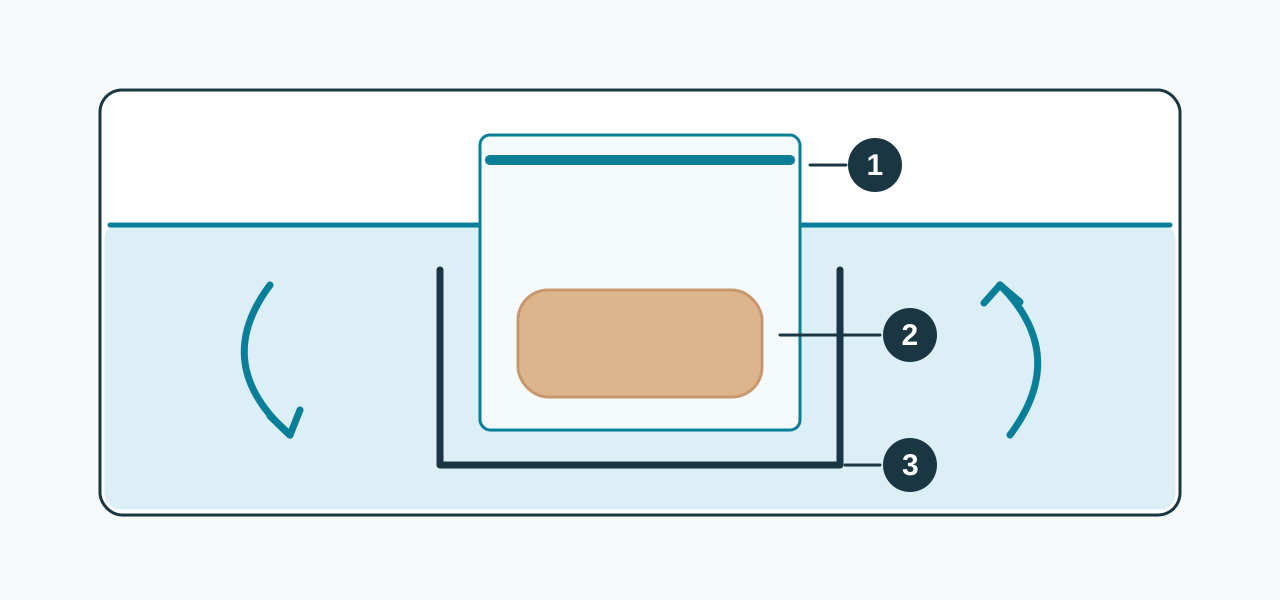
Clipping an already closed neck above the water can help hold position. Follow the pouch and bath instructions; the food itself still needs full submersion. Extra vacuum is not the only response to floating, especially with delicate contents.
Seasonings, Reusable Bags and Long Cooks
Vacuum packing keeps a marinade in contact with food, but does not establish a universal faster-marination time. Keep herbs, oil and particles away from the seal and check the recipe’s holding limits. Strong vacuum can compress soft ingredients; gentler packing may suit them better.
Reusable silicone or zipper bags can be options where their temperature limits, closure and cleaning instructions fit the recipe. Their suitability depends on design and use. Do not assume one format always outperforms another or has a proven environmental advantage without a relevant comparison.
For extended cooking, confirm the pouch’s full time and temperature rating and inspect the seal carefully. Adding another seal line does not extend an undocumented pouch rating or guarantee a leak-free cook.
Cooking, Cooling and Storage Need Their Own Controls
Bath temperature alone does not establish the time needed at the centre of the food. Portion thickness, initial temperature and the required reduction of pathogens matter. Vacuum packaging does not kill pathogens. Vacuum packaging does not remove toxins.
If serving immediately, follow a suitable cook-and-serve process. If chilling for later use, use a validated rapid-cooling, storage and reheating process. Do not assign extra refrigerated days because the pouch remains tight. The NSW Food Authority’s sous vide guidance for food businesses explains these separate controls within its jurisdiction. Apply the requirements for your location and food.
For a leaking pack, assess the food and process before deciding on any corrective action. Repacking cannot establish that the original cook was safe. See sealing problems and checks and food shelf life for related guidance.