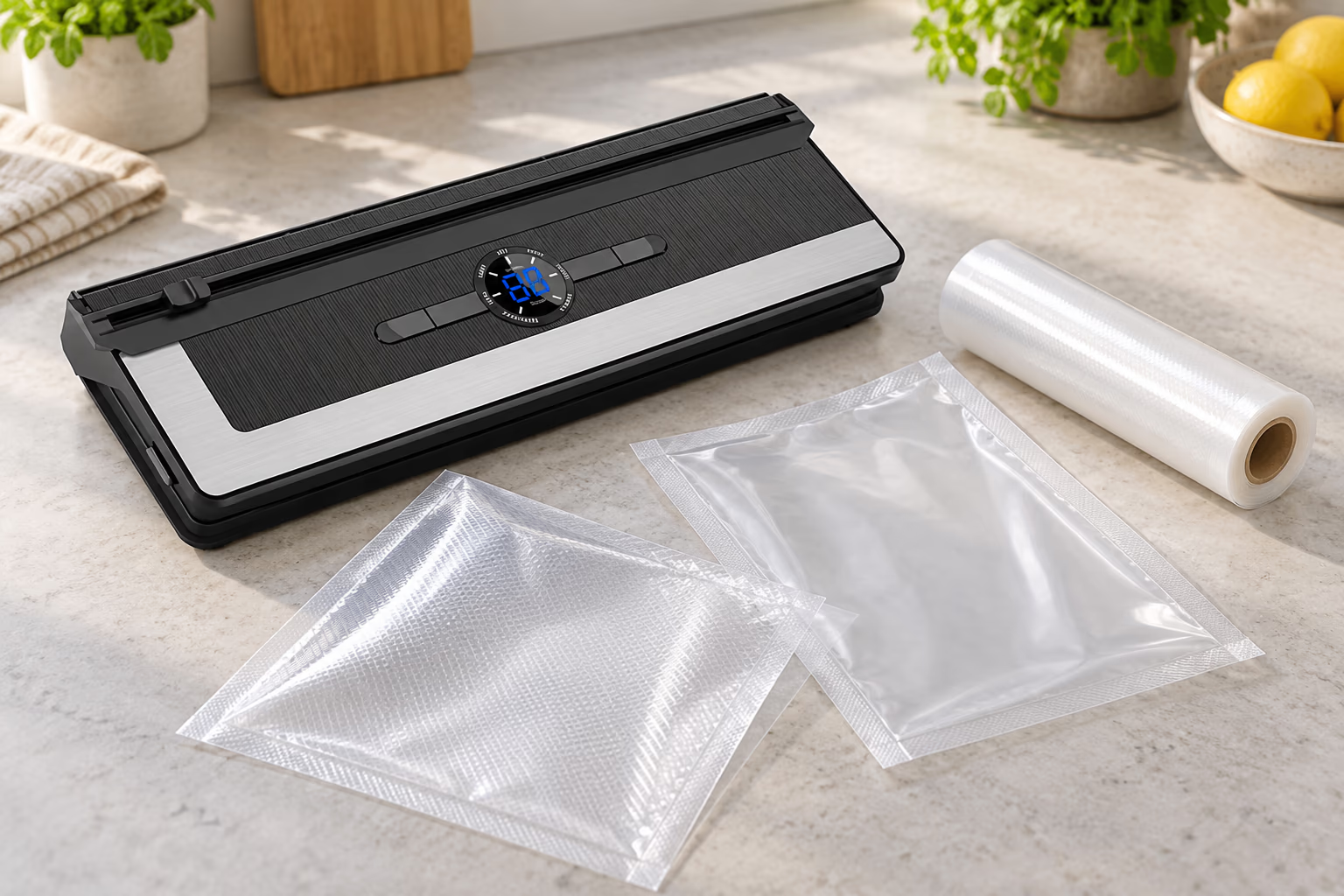
Coffee packaging has two competing jobs: limit oxygen exposure and allow freshly roasted coffee to release gas without distorting the pack. That is why a pouch that works perfectly for dry pasta or frozen meat may not be the right starting point for roasted beans.
The right answer depends on whether the coffee is being packed soon after roasting, held for retail, shipped through a distributor, or stored in small home portions. Treat the packaging decision as a product trial, not a generic “maximum vacuum” setting.
The Degassing Problem
Roasted coffee releases carbon dioxide after roasting. The amount and timing vary with roast profile, bean, grind, pack size, and storage conditions. If coffee is sealed while it is still releasing a meaningful amount of gas, the pouch can inflate and put stress on the seal or pack presentation.
This is why coffee should not be handled as though it were an ordinary dry grocery item. A pouch that appears tight immediately after packing can change as gas continues to evolve. The amount of change should be tested with the actual roast and packing interval.
The Degassing Valve Solution
Many retail coffee formats use a one-way degassing valve. The valve lets gas leave the pouch while limiting air entry. It is a packaging feature to evaluate for coffee that will continue to off-gas after sealing; it is not a universal upgrade for every coffee product or home-storage situation.
The valve size, position, pouch structure, fill weight, and expected distribution route should be part of the approved pack design. A valve may help a pack manage continued gas release, but it does not correct an unsuitable pouch, poor seal, or an untested packing interval.
The Timing Question
The period between roasting and packing is an important product decision. Coffee can release gas more actively soon after roasting, but the timing varies by roast profile, bean, grind, and pack size. Rather than applying one fixed number of hours to every coffee, establish the packing window from the actual roast and the target package outcome.
If the product must be packed or shipped soon after roasting, test the pack appearance and seal condition over the expected first days of the route. A valve pouch, a different fill level, a different pouch format, or a controlled packing method may be needed. Record the chosen timing in the work instruction so later batches follow the same process.
Choose a Pouch Around the Route to Market
Ask four practical questions before selecting the pouch:
- Is the coffee whole bean or ground?
- How soon after roasting will it be packed?
- Is the pack for retail display, shipping, foodservice, or home storage?
- Does the product need a valve, a high-barrier structure, printed artwork, or a particular pack size?
Whole beans and ground coffee do not behave the same way in storage, and a small refill pack does not have the same packaging needs as a retail pouch that will travel through a distribution chain. If barrier performance matters, request the film information against the product and intended storage conditions rather than assuming that a thicker pouch is automatically better.
Whole Bean vs. Ground Coffee
Ground coffee exposes more surface area than whole beans, so the two formats can respond differently to air exposure and storage. The product form, fill weight, and expected time between packing and use should therefore be specified in the pouch brief.
Whole-bean and ground-coffee packs should be sampled separately. A result that is acceptable for a small whole-bean pouch may not establish the storage performance or customer experience of ground coffee. Give customers handling guidance that matches the format rather than making one freshness promise for both.
Vacuum Level for Coffee
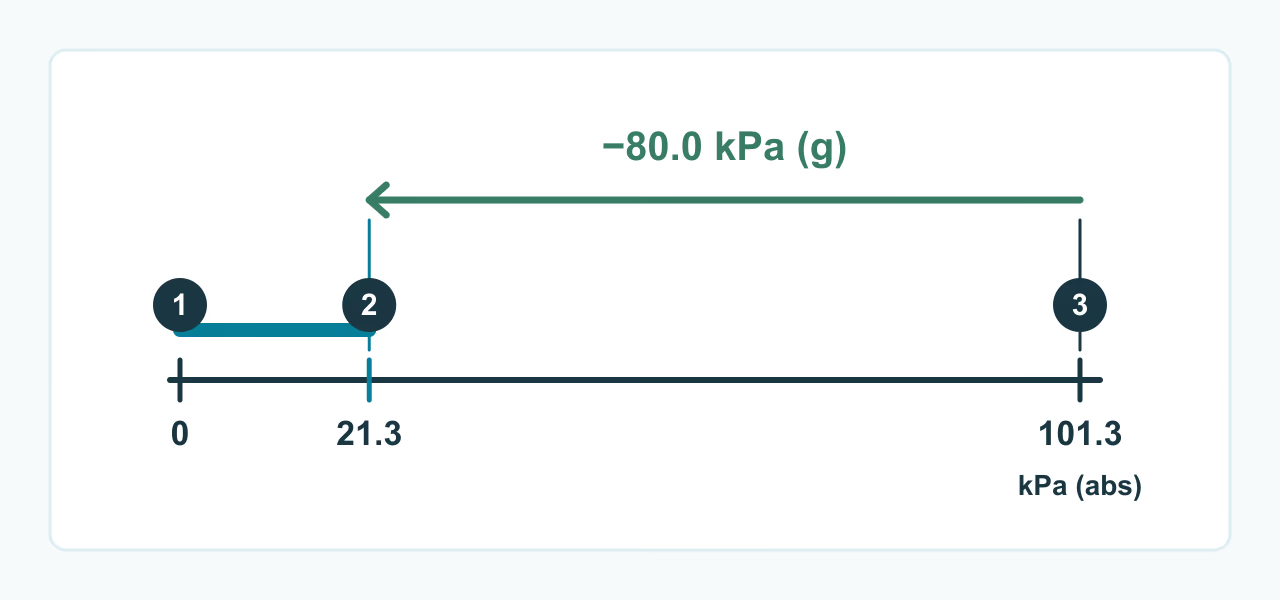
Vacuum can reduce air in a pouch, but the final result depends on the machine, pouch, product, and sealing procedure. Very aggressive extraction may move fine particles toward the seal area or damage a fragile bean. A repeatable pack that protects the seal can be more useful than chasing an advertised maximum pressure figure.
Some commercial coffee programs use gas flushing, valves, or other controlled packing processes. Those are process decisions that need the right equipment, validated materials, and an approved product outcome. They should not be inferred from a consumer vacuum-sealer specification.
The useful target is not “perfect vacuum” but a repeatable package that controls air exposure without damaging the beans or drawing fines into the sealing area. A moderate or staged extraction may be appropriate in some programmes, but the setting should be established by sample testing instead of stated as a universal level.
Nitrogen Flushing and Vacuum
Some commercial coffee lines use nitrogen flushing or another controlled atmosphere process, sometimes alongside a valve pouch or a vacuum-related step. The intention is to reduce oxygen exposure using a controlled process rather than relying on an unmeasured result from a countertop sealer.
This is not a feature to promise from a standard consumer vacuum sealer. If a programme requires gas flushing, define the equipment, gas, pouch, residual-oxygen target if applicable, verification method, and approved product result with the packaging provider.
Test the Actual Coffee
Run samples using the roast, fill weight, pouch size, and expected time between roasting and sale. Record the sealing method, valve specification if used, pack appearance over time, seal condition, aroma, and any transport or display issue. If the pack inflates, leaks, or presents poorly, the correction might be a different timing, pouch, fill level, valve, or packing method—not simply a deeper vacuum.
For a printed retail program, test the carton and label alongside the pouch. A package can pass a bench test and still perform badly once it is stacked, shipped, or displayed.
Storage and Customer Guidance
Coffee quality is affected by air, heat, light, moisture, the initial roast condition, and how the package is opened and reclosed. Give customers storage guidance that matches the product and pack format, and avoid a universal freshness or shelf-life promise unless it is supported by the finished product’s validation.
Storage Temperature
For most retail situations, a cool, dry, dark location away from heat is a sensible storage instruction. If refrigeration or freezing is being considered, evaluate the complete consumer-use cycle: how the pack is opened, whether condensation can form, and how the coffee is reclosed. Do not make a universal instruction without checking the product, pack, and route to market.
The pouch limits some external exposure; it does not make storage conditions irrelevant. Heat, light, moisture, the initial roast condition, and repeated opening can all affect the result.
Signs Your Coffee Has Gone Stale
Useful quality observations can include a reduced aroma, a flatter or cardboard-like taste, a visible change in the beans, or a different brewing response. None of these signs alone proves the cause, but together they can show that the product and pack should be reviewed.
Packaging cannot restore coffee that has already lost quality. The objective is to package a product in good condition and validate the result for the intended storage and sales period.
Practical Recommendations
For home storage, choose a pack size that suits the expected use rate, keep the coffee protected from heat, light, and moisture, and follow the roaster’s product guidance. For gifting or shipping, test the chosen pouch, valve where used, outer carton, and route rather than assuming a pack that works on the bench will arrive in the same condition.
For a retail or distributor programme, document the roast format, packing interval, fill weight, valve and pouch specification where relevant, packing method, target market, and sample approval result. That creates a repeatable process without claiming that one valve, timing, or vacuum setting is right for every coffee.
For a coffee packaging inquiry, provide the roast profile, whole-bean or ground format, pack weight, target market, sales route, expected storage period, and whether a valve or printed retail pouch is needed. VANTASE can then review a suitable bag structure, sample route, and packing format before an order is approved.
Compare packaging formats
Compare black embossed vacuum bags for external-suction sealers with your light-barrier requirements. A black/clear pouch still admits light through its clear side. These bags and reusable valve vacuum bags do not automatically include a coffee degassing valve; a vacuum-extraction valve is a different function. Confirm the structure, equipment and coffee packing process before ordering. Send your coffee packaging requirements for sample review.