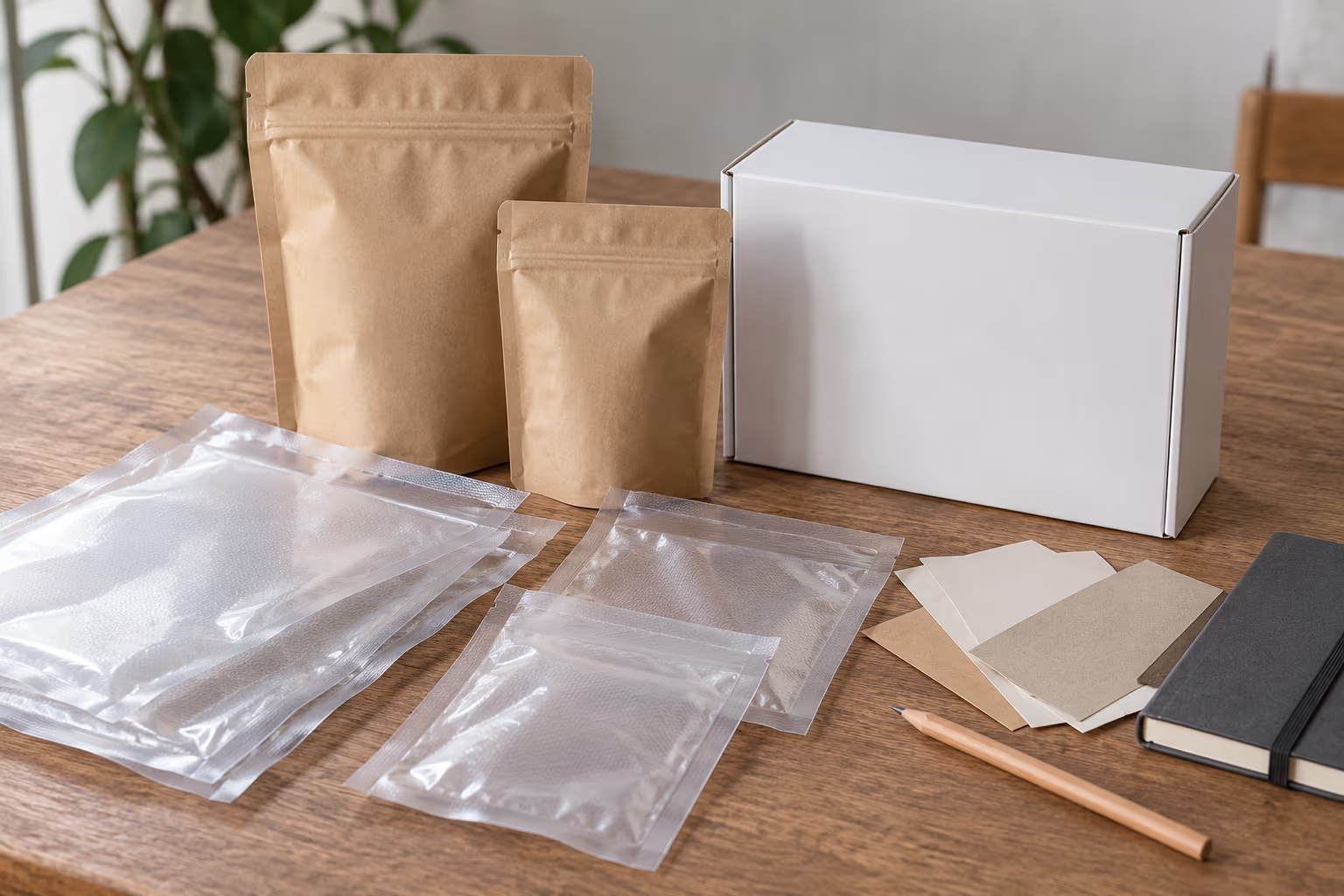
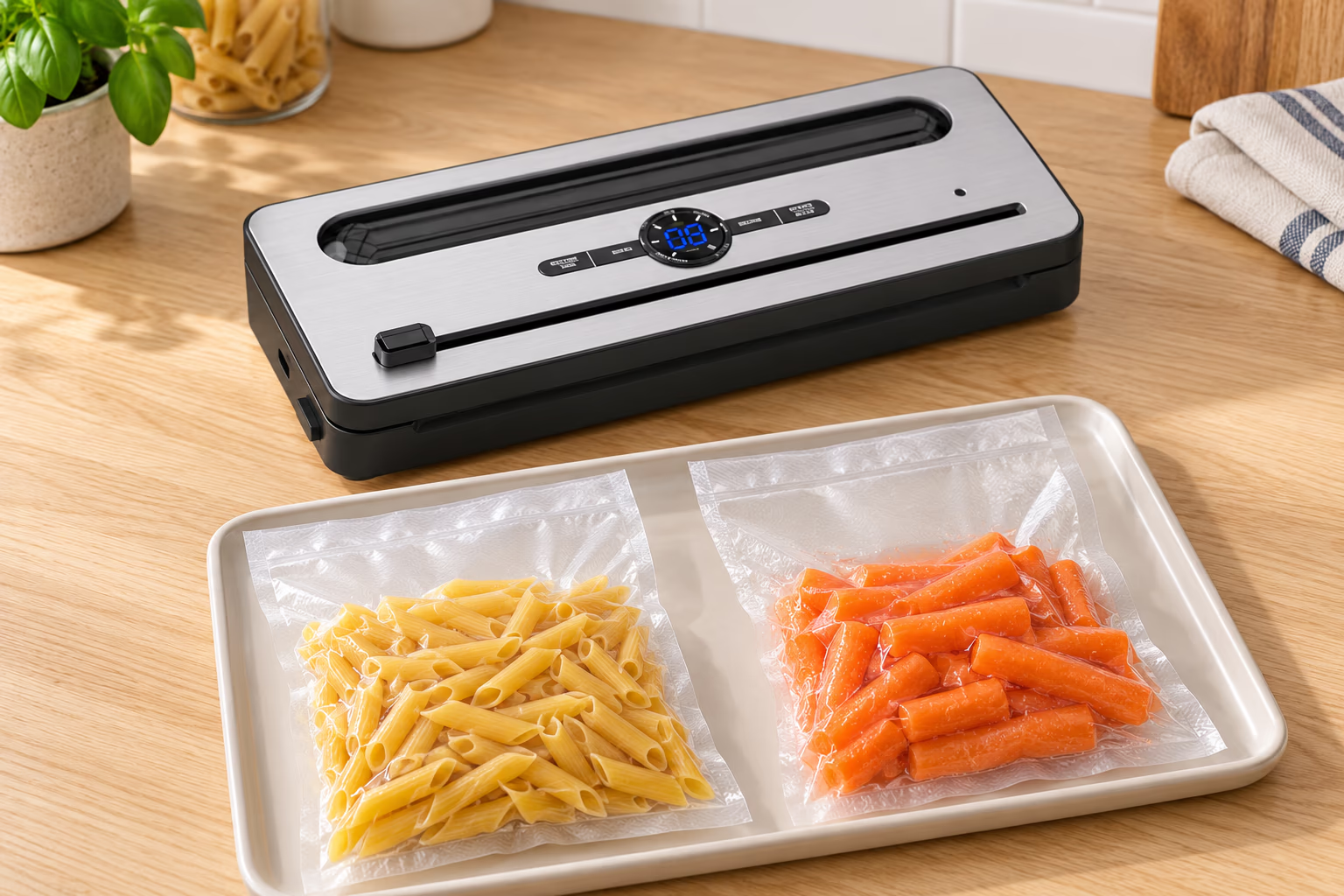
Many buyers compare vacuum bags by thickness, size, and pattern first. Those details matter, but film structure is another separate decision. Two pouches with the same nominal gauge can behave differently because layer design and processing are different.
The two structures can look alike. Both can be transparent, flexible, and heat sealable. The names still leave out tie layers and the order of the layers. Oxygen transmission, cost, and the product being packed are the differences that change a buying decision. See what vacuum sealer bags are made of for how those shorthand names relate to a real film.
What PA/PE Means
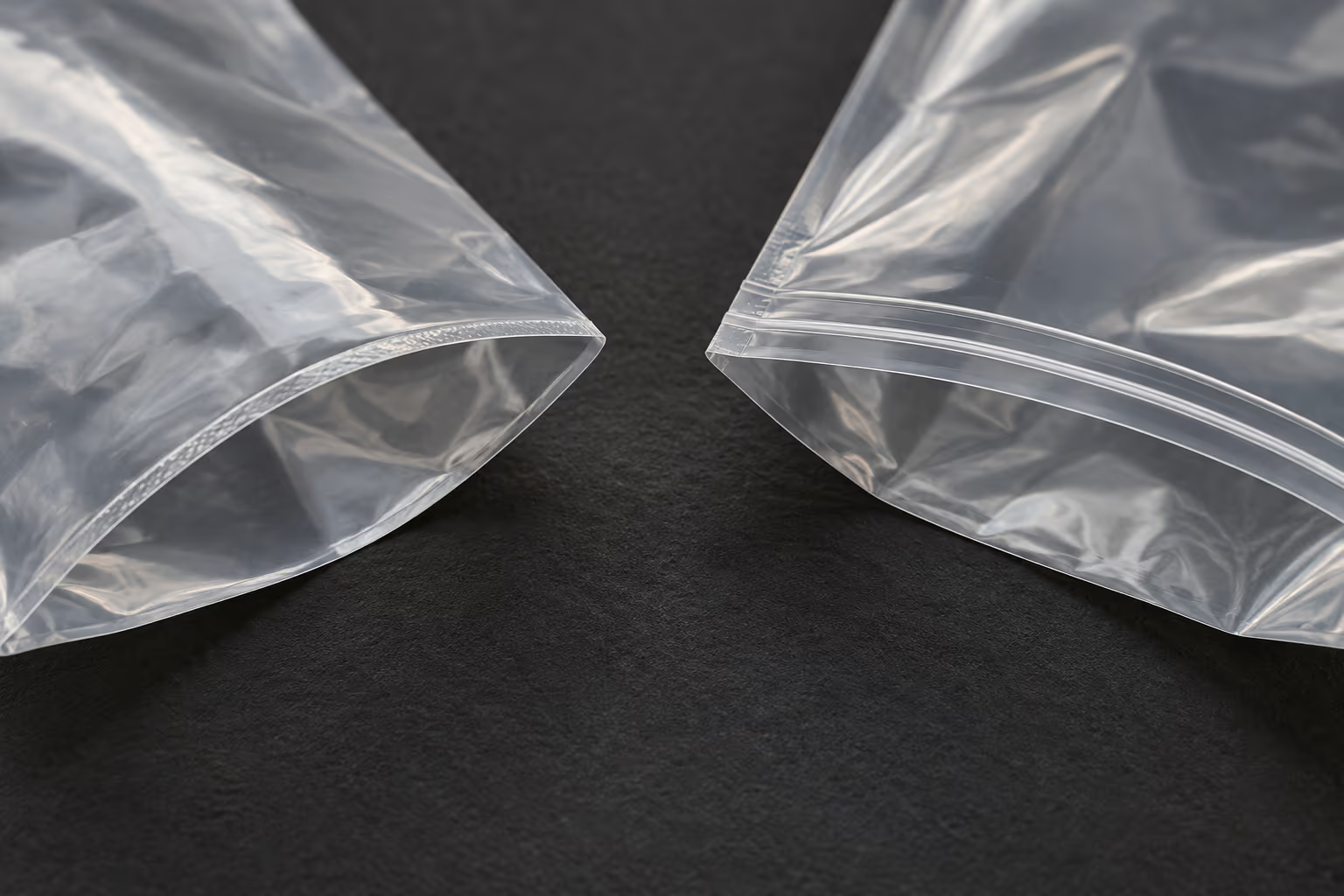
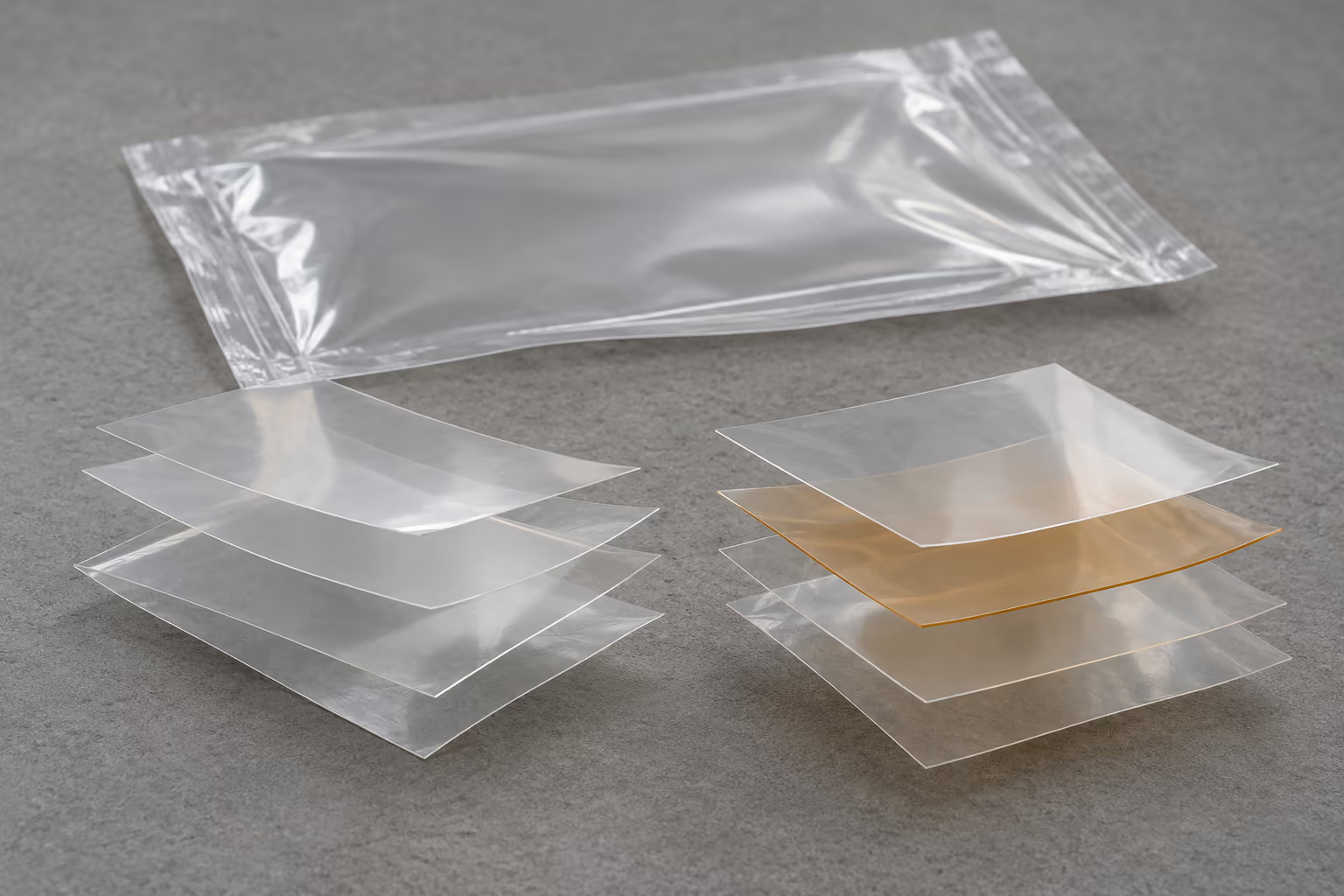
PA/PE is a common multilayer structure for vacuum bags. PA means polyamide, often called nylon. PE means polyethylene. The nylon layer contributes toughness and a better oxygen barrier than polyethylene alone. The PE layer is the usual heat-seal and food-contact surface. That description is not an oxygen-transmission result for a particular bag.
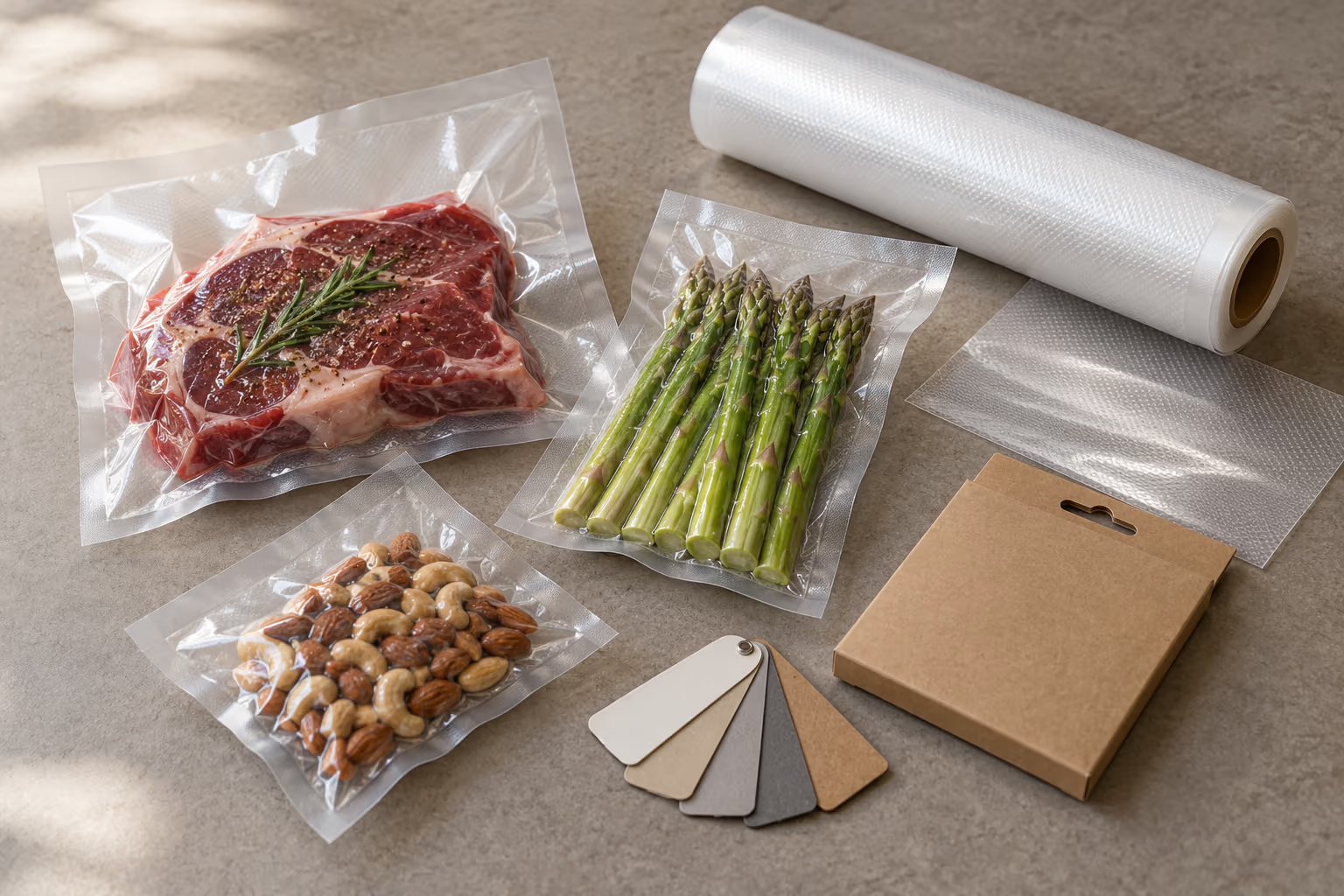
For many everyday applications, PA/PE is the practical choice. It works for meat, seafood, dry foods, meal prep, frozen storage, and household use. It is also easier to source in many thicknesses and formats, including embossed bags for external vacuum sealers.
If you are buying standard transparent vacuum bags or vacuum seal rolls, PA/PE is often the baseline structure.
What PA/EVOH/PE Adds
EVOH is an ethylene vinyl alcohol copolymer used as an oxygen-barrier layer. In a PA/EVOH/PE shorthand, it is placed inside the film, usually between other layers. Buyers ask for it when the product needs a lower oxygen transmission rate than the PA/PE structure they would otherwise use.
That can matter for products whose flavour, colour, or aroma changes with oxygen, such as some processed meats, cheese, coffee, and other oxygen-sensitive foods. It does not by itself set a storage life. Shelf life still has to be established for the food, pack, and storage conditions.
EVOH is not automatically the better bag. It adds cost and needs a tighter specification. Its oxygen barrier also changes with humidity: the polymer takes up moisture, and a figure measured in dry conditions is not the result at high relative humidity. Multilayer films normally protect the EVOH layer from moisture, but only the structure and test conditions on the quotation show whether that protection is there. Kuraray’s EVAL overview describes this barrier role. It is not a test report for a VANTASE pouch.
Oxygen Barrier Is the Main Difference
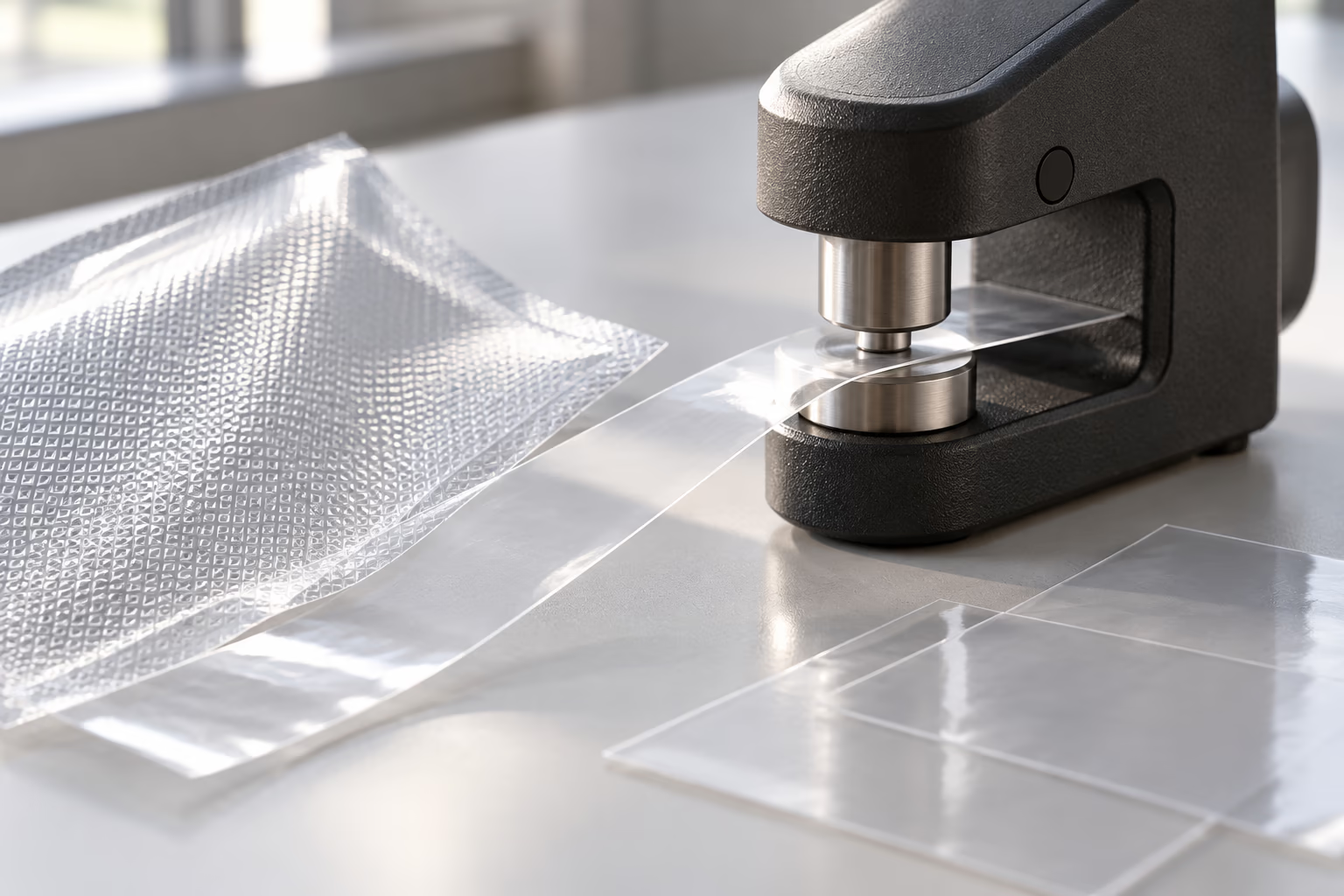
Vacuum packaging removes most of the air at sealing. It does not make the package oxygen-proof afterwards. Oxygen can still pass through the film. An oxygen transmission rate is a steady-state rate for a stated film and test condition, as described in the ASTM D3985 scope. Compare it only when the actual film structure, thickness, test method, temperature, and relative humidity are written down. The total oxygen that enters a package over storage also depends on how long the pack is held.
A rate from another thickness, another ethylene grade of EVOH, or a dry test does not transfer. Do not convert a supplier’s monolayer comparison into a fixed “times better” claim for the finished pouch.
For frozen storage, the quality difference may be less obvious because low temperature slows many reactions. Cold storage does not replace the missing test conditions. For chilled or ambient oxygen-sensitive products, humidity and temperature belong in the comparison.
Cost and MOQ Tradeoffs
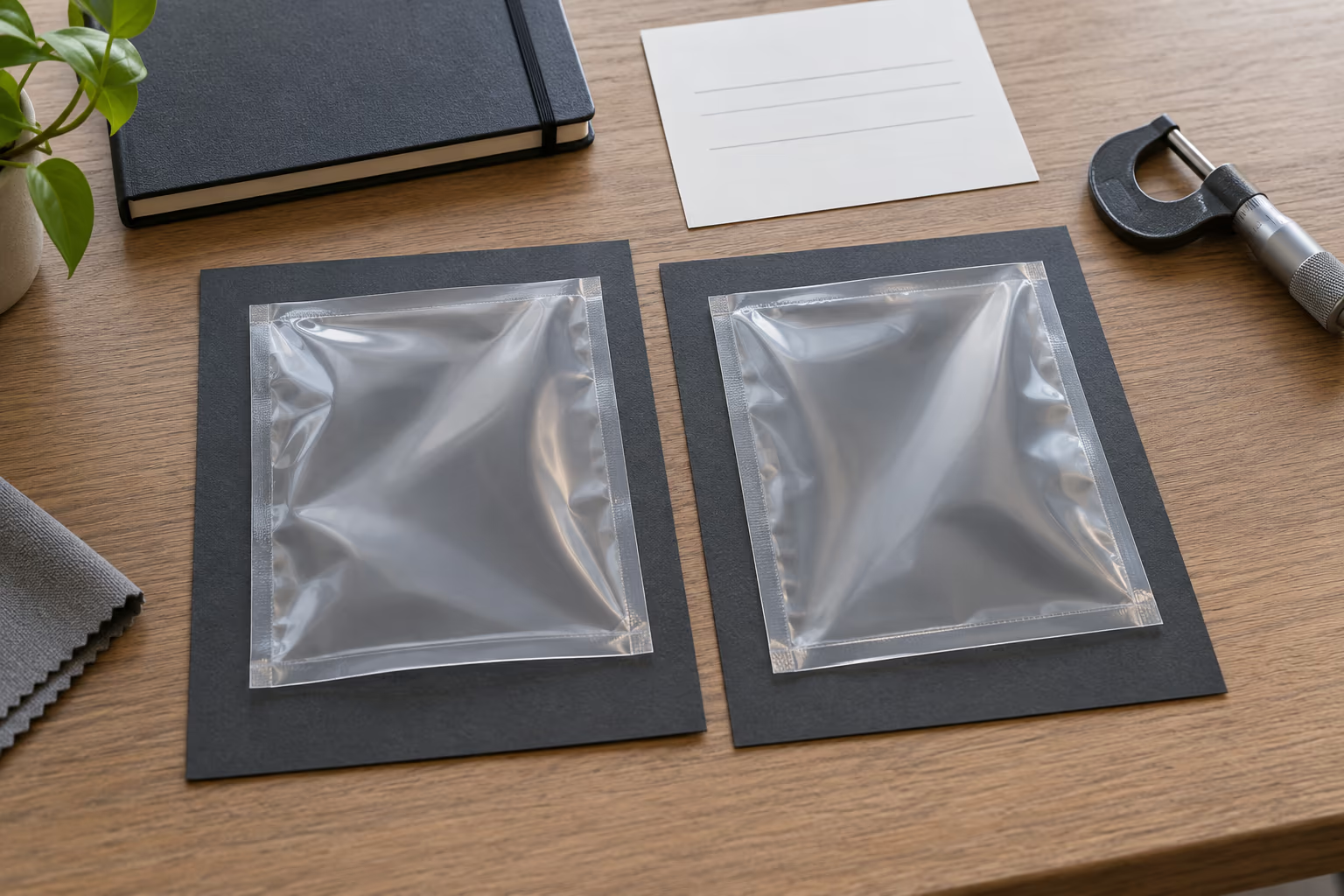
EVOH structures usually cost more than standard PA/PE. They may also have higher minimum order quantities because the film structure is more specialized. If a buyer only needs general-purpose vacuum bags, paying for EVOH may not improve the final customer experience enough to justify the price.
For distributor programs, it can make sense to carry PA/PE as the main line and reserve PA/EVOH/PE for a specific premium or professional SKU. This keeps the catalog understandable while giving advanced buyers a high-barrier option.
Custom dimensions, printing, and embossed patterns can also affect MOQ. If you are planning a private-label bag line, read the guide to custom vacuum bag MOQ before setting launch quantities.
Thickness Still Matters
Film structure is not a replacement for thickness. A thin high-barrier bag can still puncture on sharp bones or hard product edges. A thick PA/PE bag may outperform a thinner EVOH bag in abuse resistance even if the EVOH bag has better oxygen barrier.
For meat and seafood, puncture resistance and seal reliability are often as important as oxygen barrier. For dry oxygen-sensitive products, barrier may become the higher priority. For retail multipurpose bags, balance matters.
The article on how bag thickness affects performance explains how thickness changes handling, puncture resistance, and sealing behavior.
Embossed vs Smooth Format
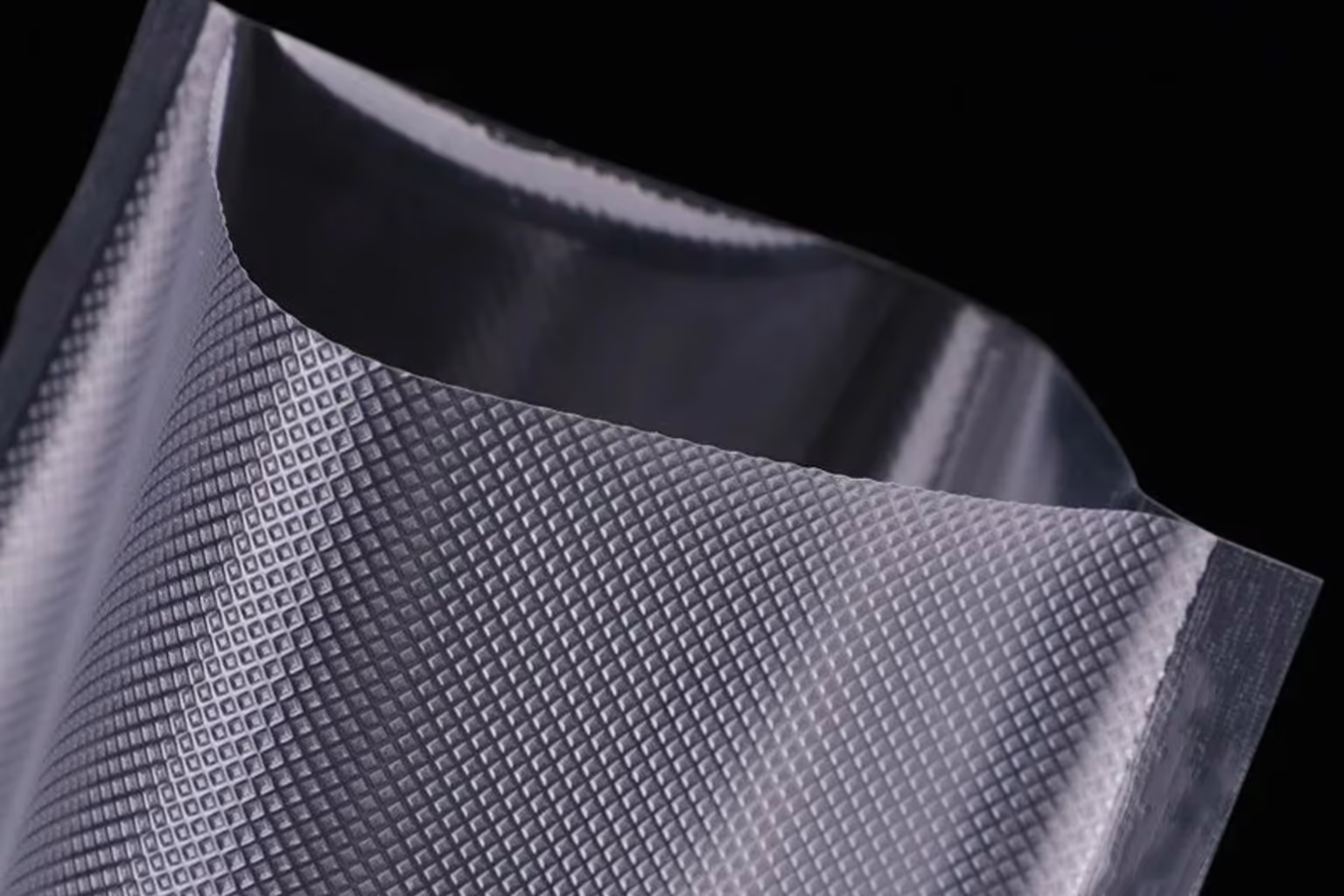
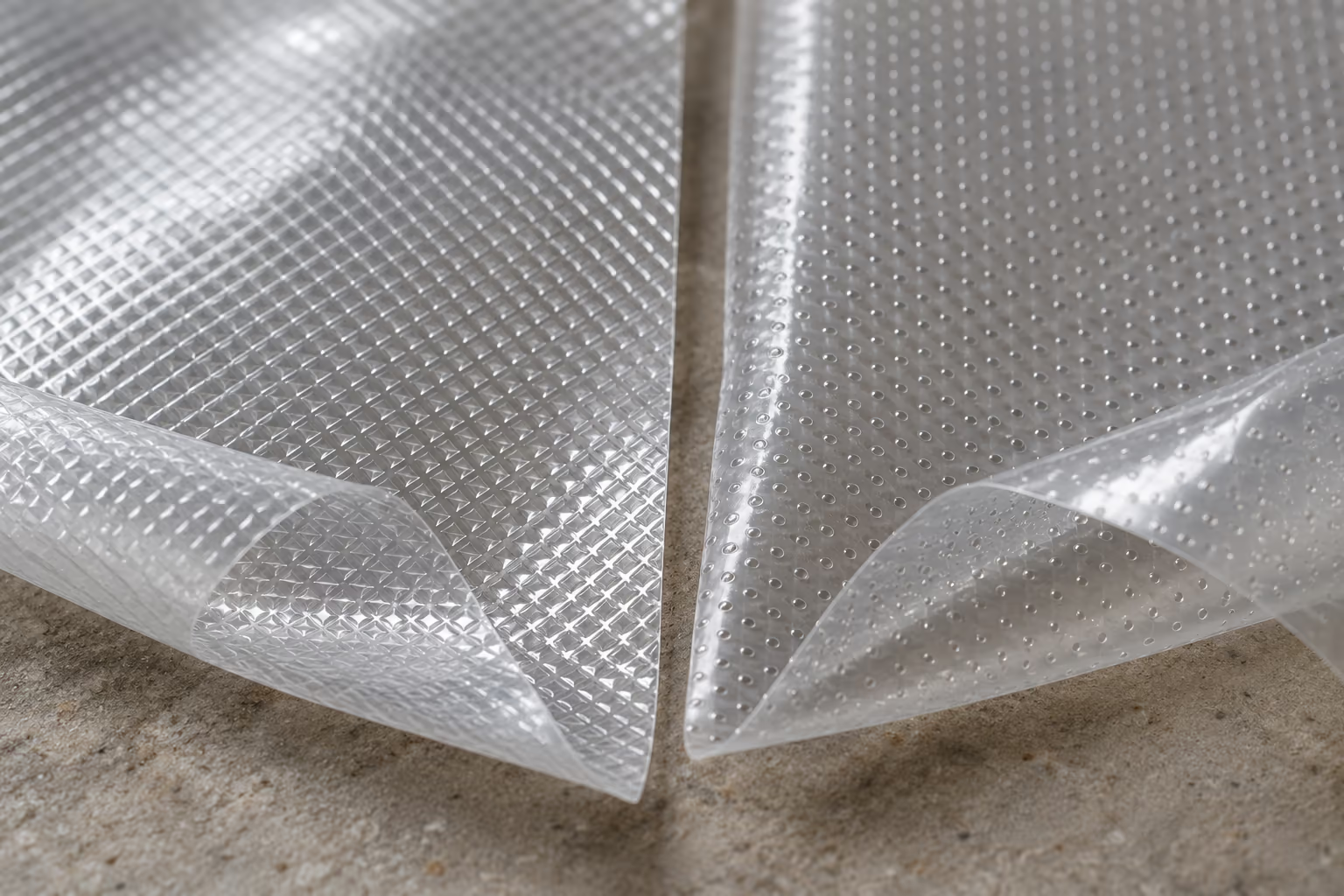
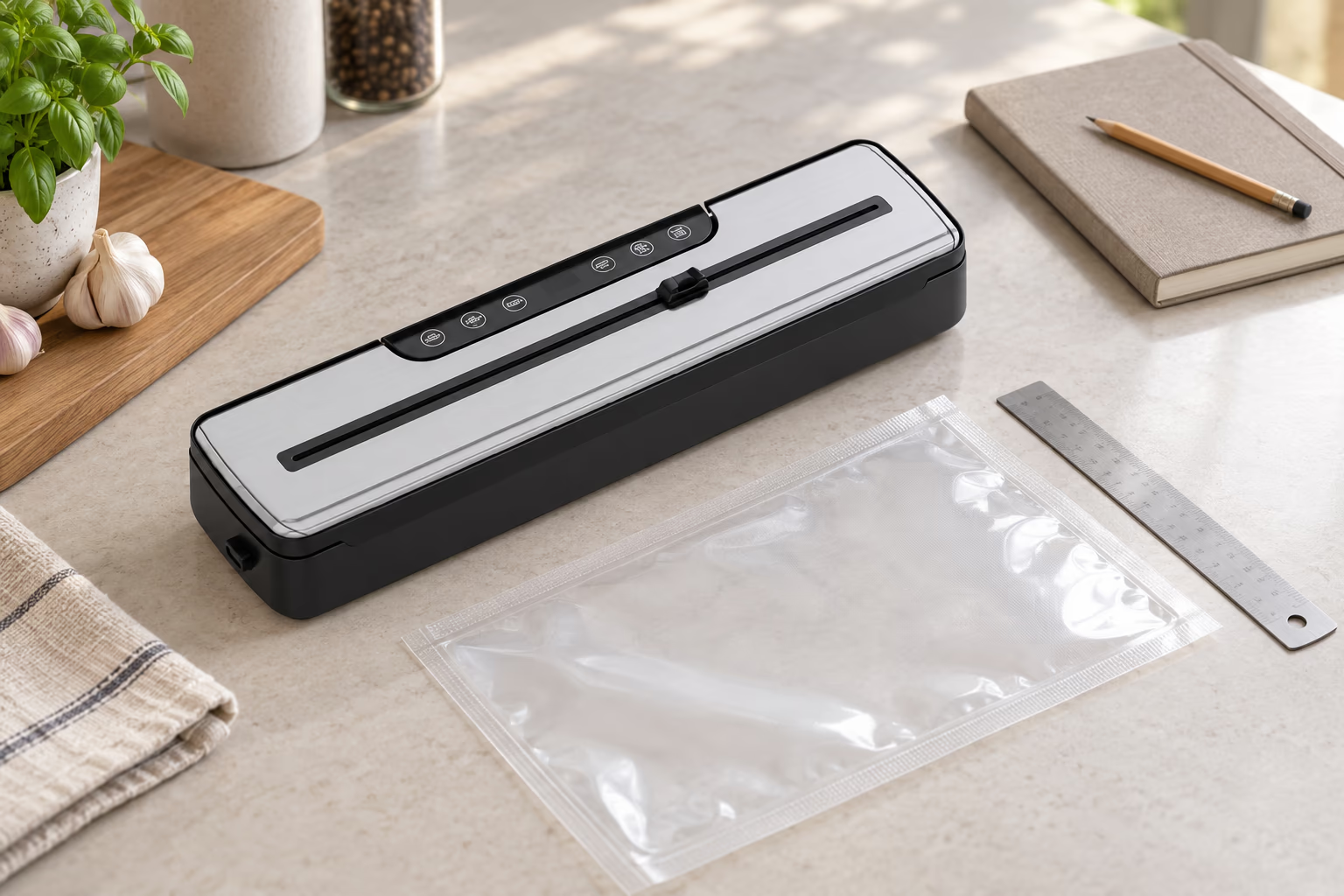
Many channel-style external sealers need embossed channel bags. Some nozzle-style external machines can use a suitable smooth pouch, and chamber machines commonly can. Adding EVOH does not remove that machine match. See embossed and smooth vacuum bags.
If you need PA/EVOH/PE bags for external sealers, confirm that the embossed structure still extracts air well. Channel depth, pattern, thickness, and film stiffness all affect performance. A high-barrier material that cannot vacuum properly on the target machine is not a practical solution.
Which Structure Should Buyers Choose?
PA/PE may be a practical starting point when:
- The use case is household food storage, meal prep, freezer storage, or general retail.
- Cost and availability matter more than maximum oxygen barrier.
- You need many sizes or roll formats.
- You are still validating demand.
PA/EVOH/PE may be worth evaluating when:
- Oxygen exposure is a known quality risk for that product.
- The buyer can pay more and can test the finished pack, rather than treating the film name as a shelf-life extension.
- The specification is for a defined professional or retail programme, with the storage temperature and humidity stated.
Ask for the Right Documents
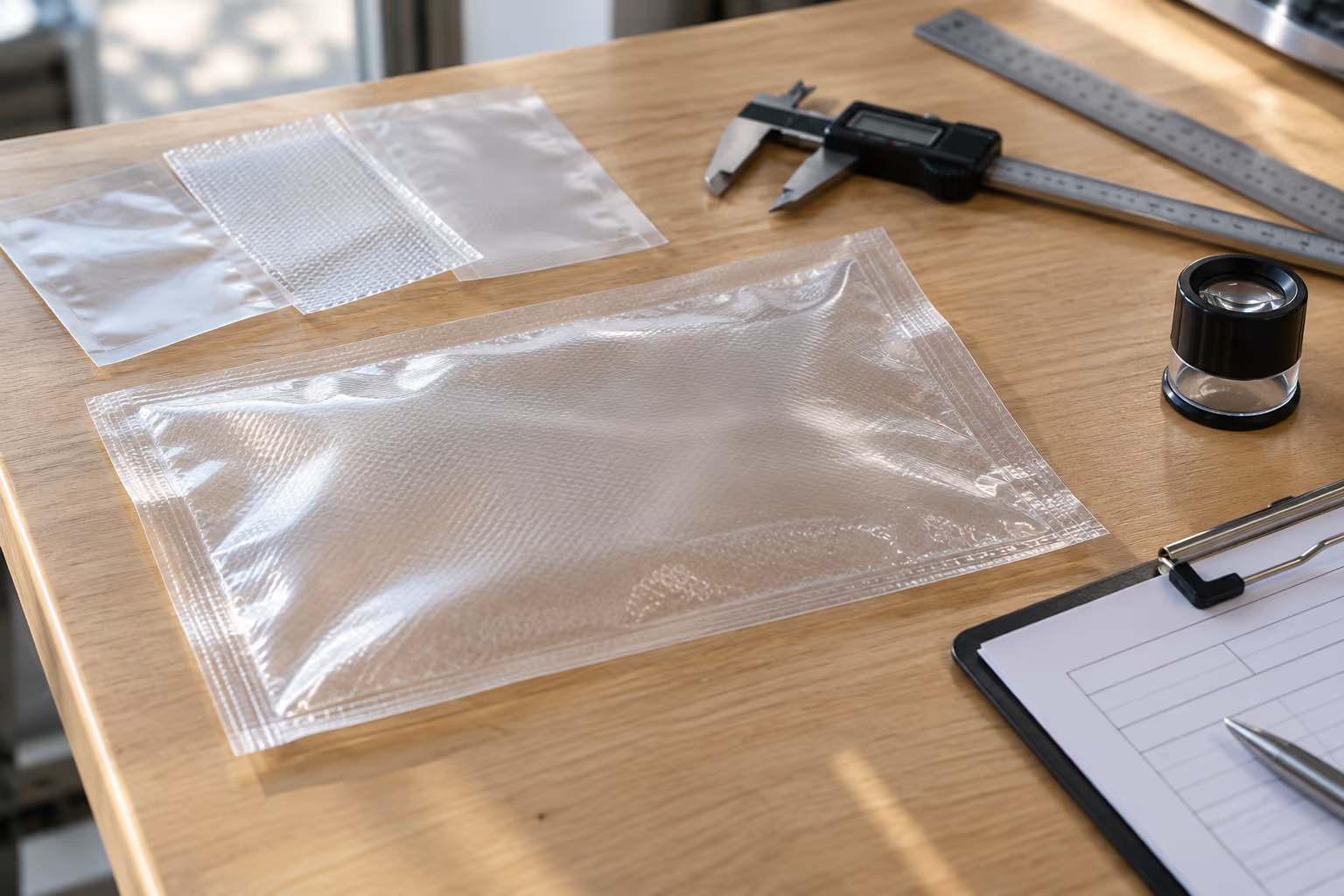
For food packaging, buyers should request material structure, thickness tolerance, food-contact compliance information, and sample bags for sealing tests. For high-barrier products, ask for oxygen transmission data when available.
Do not rely only on a short product name. Two bags can both be called “vacuum bags” while using different structures and serving different markets. A clear specification protects both buyer and supplier.
VANTASE supports standard and customized vacuum bag options for different buyer channels. If you need help matching material structure, size, thickness, and embossed pattern, contact the team through VANTASE contact.