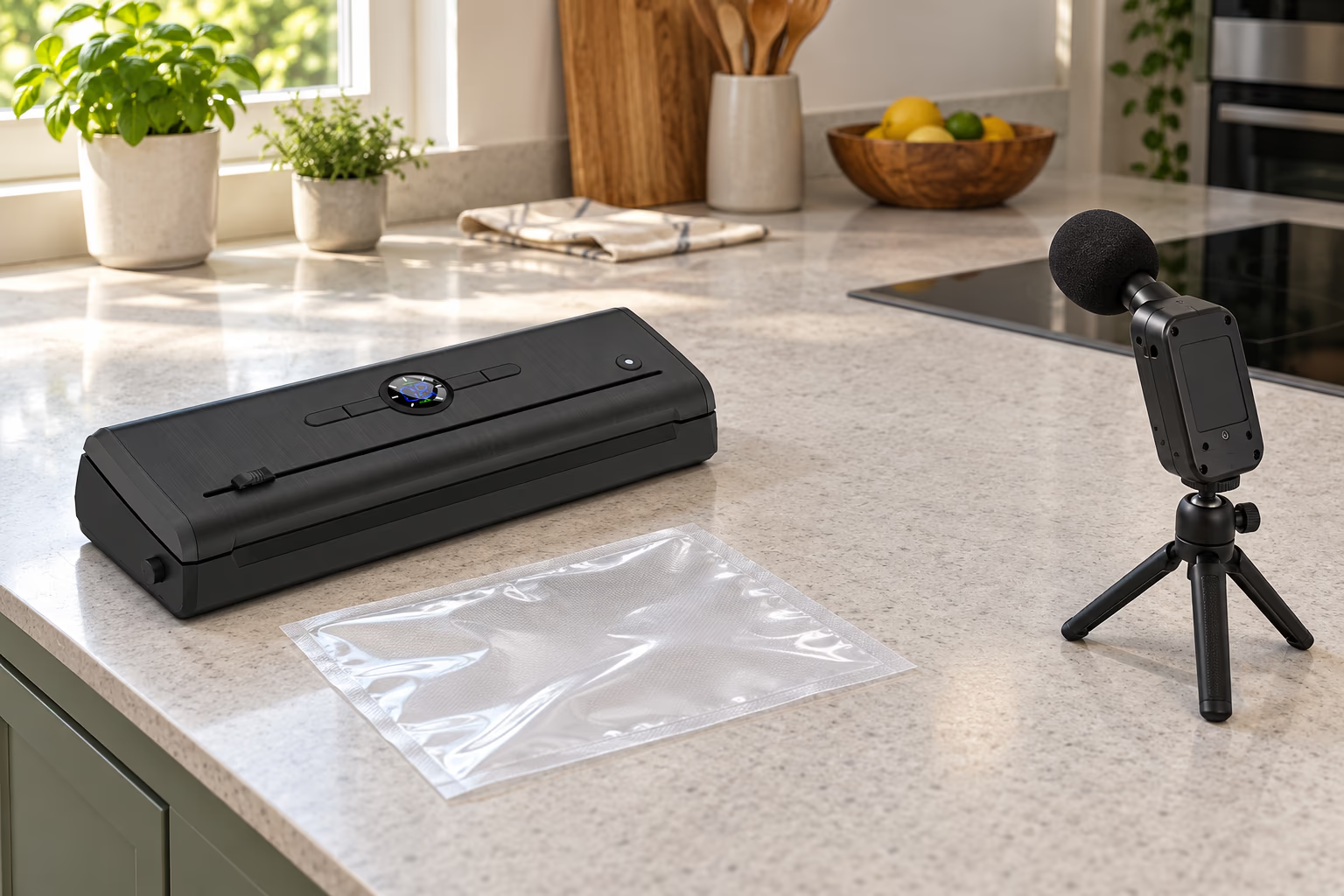
At a busy meat counter, packing a steak and packing a bone-in roast are different jobs. Bag size, puncture protection, liquid control and labelling need to work together without slowing service.
Vacuum packaging supports the process; it does not replace temperature control, hygiene, product rotation, or the storage instructions that apply to the meat being sold.
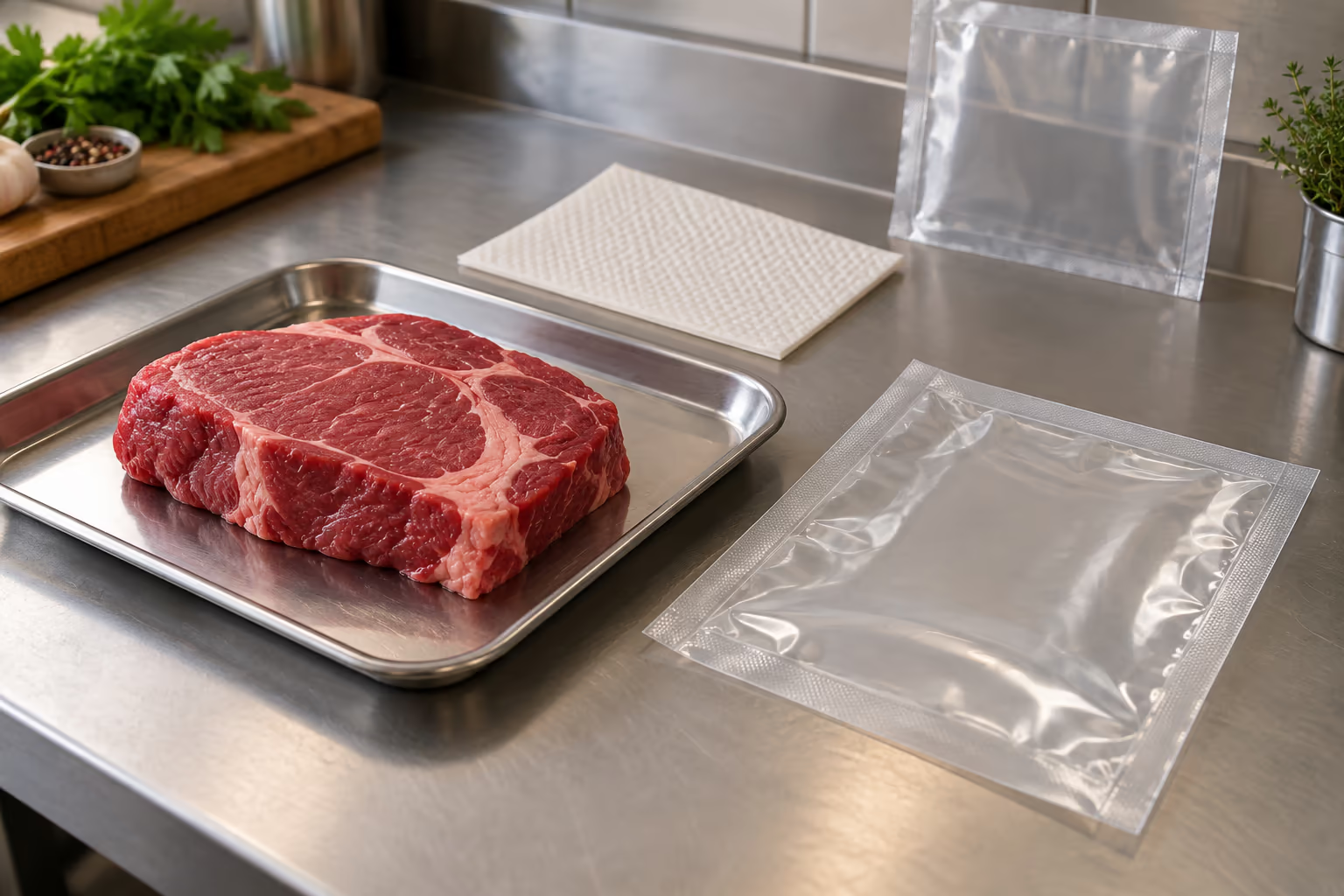
Map the Products Before Buying Bags
List the cuts that actually move through the counter. Include boneless portions, bone-in cuts, sausages, prepared items, wet marinades, and irregular roasts. Then decide which two or three pouch sizes cover most of that work, and which items need a heavier pouch or a different loading method.
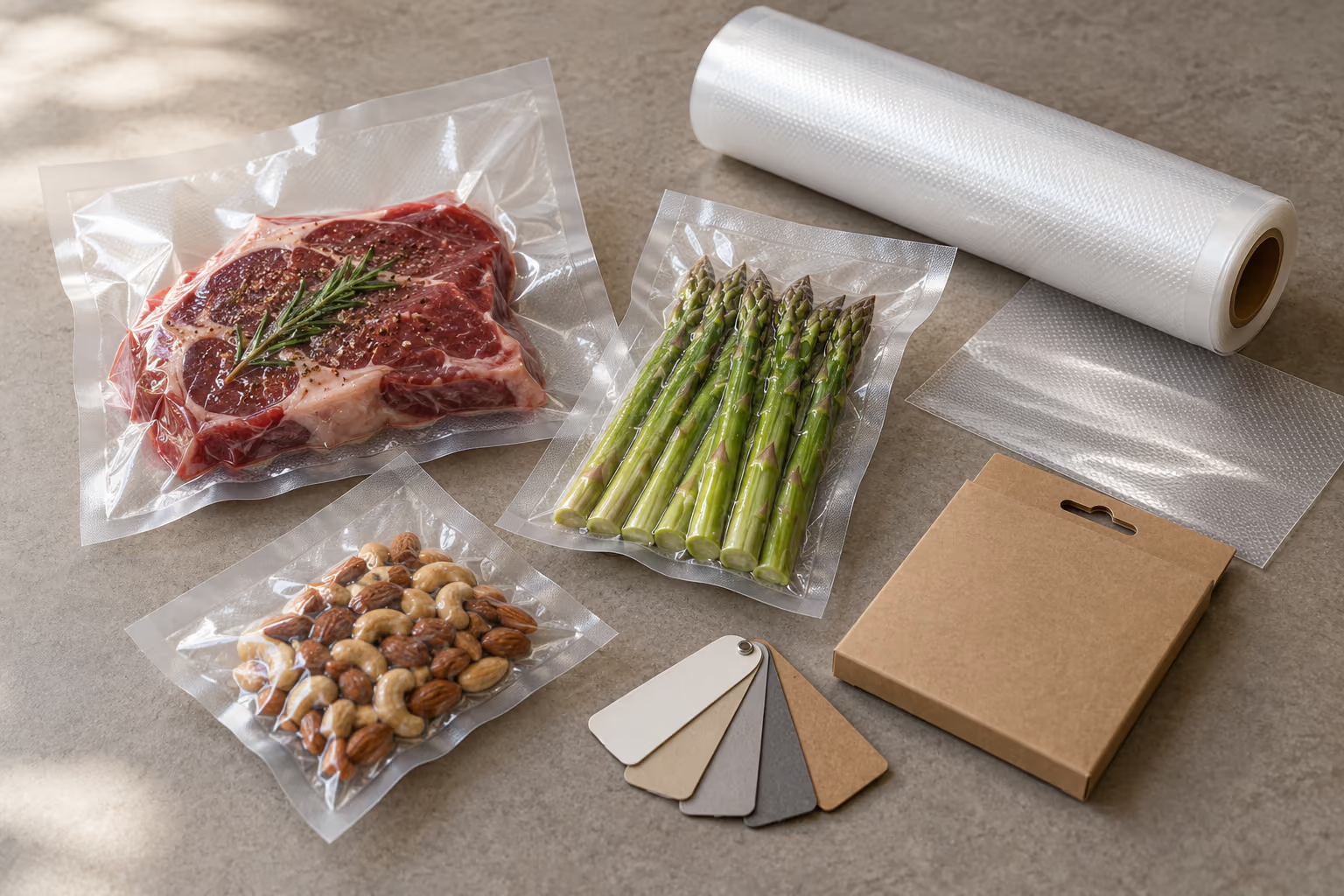
This prevents the usual problem of a counter stocked with many near-identical bag sizes while staff still stretch the wrong pouch around an awkward product. Pre-cut bags make repeated portions quick; rolls are useful for irregular cuts where the extra flexibility is worth the cutting step.
Write down the actual jobs the counter performs: portioning steaks, chops, and ground meat for freezer packs; packing sausages and prepared items; sealing marinated products; preparing sous-vide portions; holding premium cuts for short-term storage; and customer-requested vacuum packing at checkout.
Define a small size system around common portions: smaller pouches for single steaks or sausages, medium pouches for family packs, and larger pouches or rolls for roasts and bulk orders. This reduces waste and makes packing faster when the counter is busy.
Match the Machine to the Workload
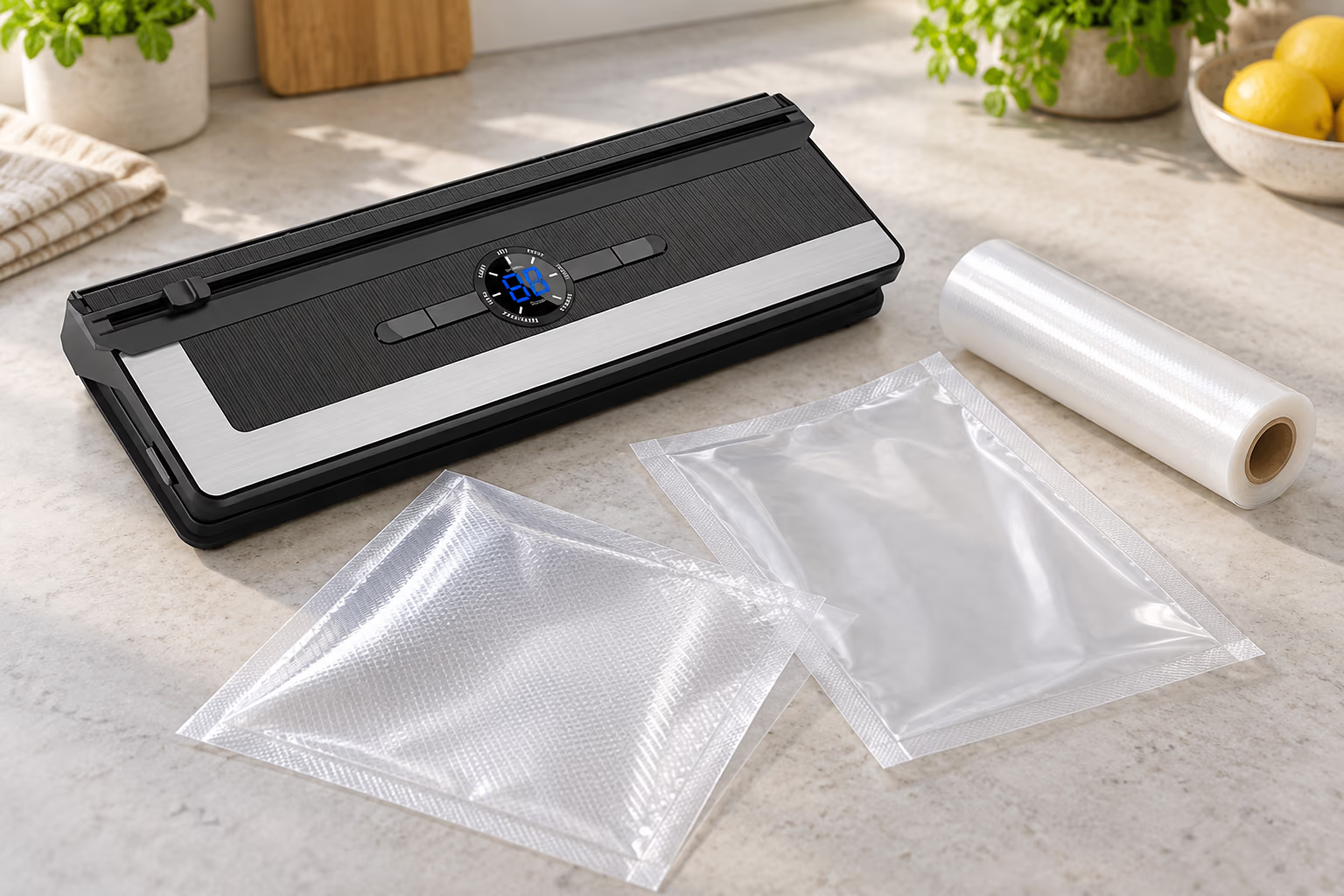
A compact external sealer can be a good counter tool when the daily volume is modest and pouch flexibility matters. A chamber workflow can make more sense where liquids, smooth pouches, or repeated batches are central to the operation. The right comparison is a real trial: loading, evacuation, sealing, cooling, labelling, clean-down, and the number of packs the team can produce reliably.
For a new machine program, keep the sample test close to normal trading conditions. The vacuum sealer sample evaluation guide gives a useful record for that decision.
Choose the Pouch With the Cut in Mind
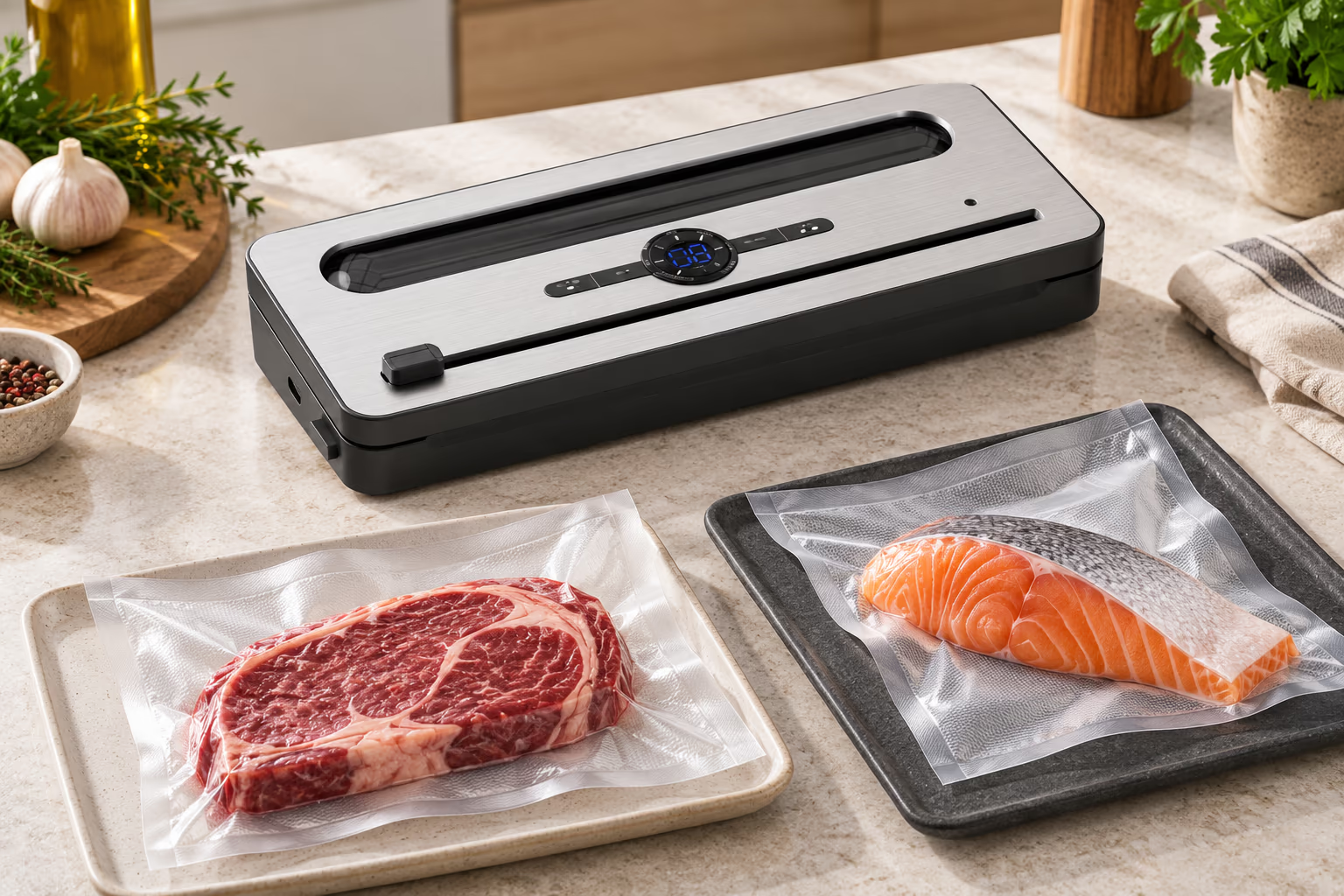
Sharp bone, fins, frozen edges, and heavy products increase puncture risk. A general-purpose pouch may work well for a boneless steak and be a poor choice for ribs or a bone-in roast. Test the actual cut, including normal handling and freezer movement, before standardising a gauge.
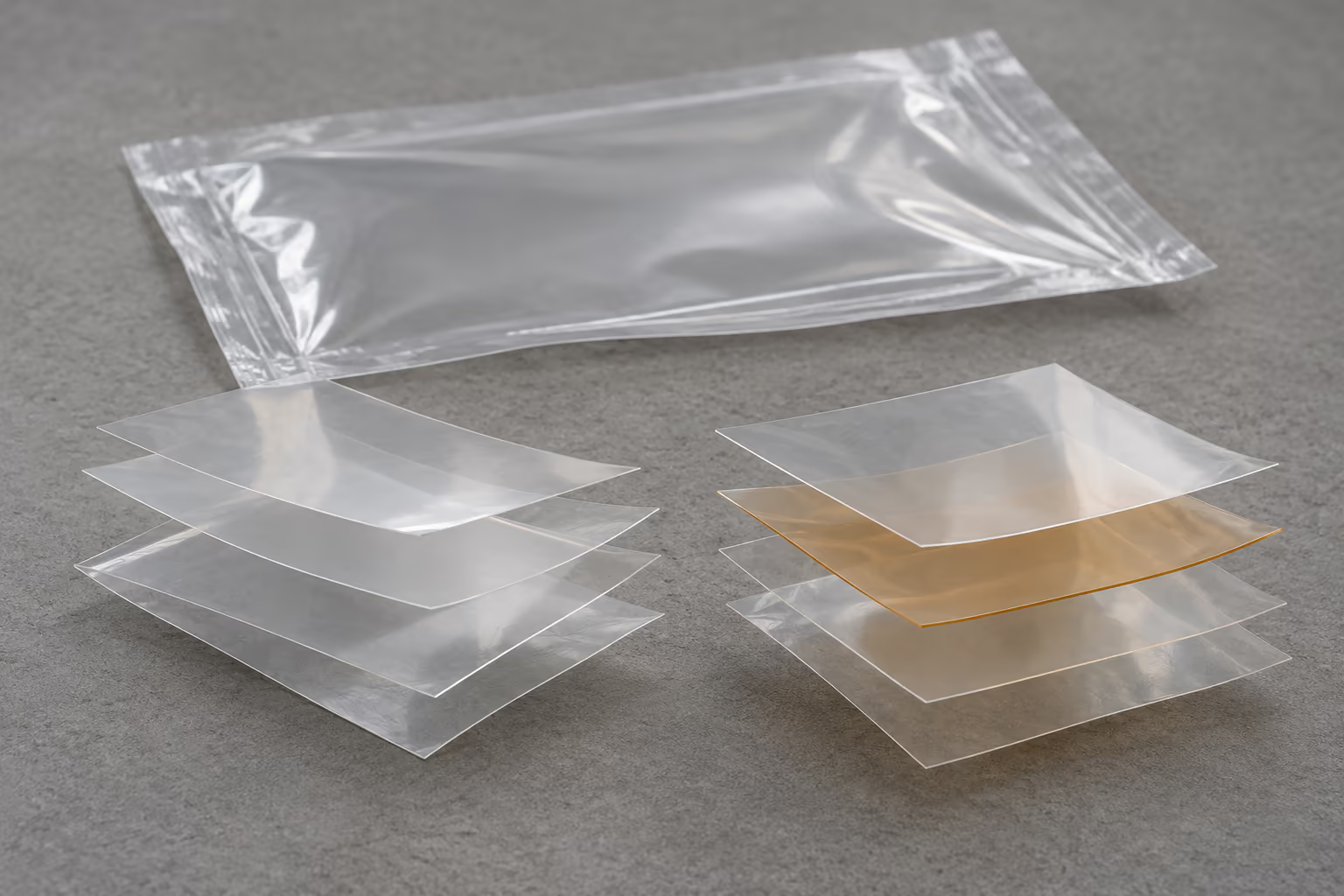
Thickness is one part of puncture resistance, not a complete specification. Boneless cuts may run well in a general-purpose pouch, while bone-in cuts, ribs, fish with fins, sharp frozen edges, or a long freezer route can need a heavier or differently structured pouch and sometimes extra product protection.
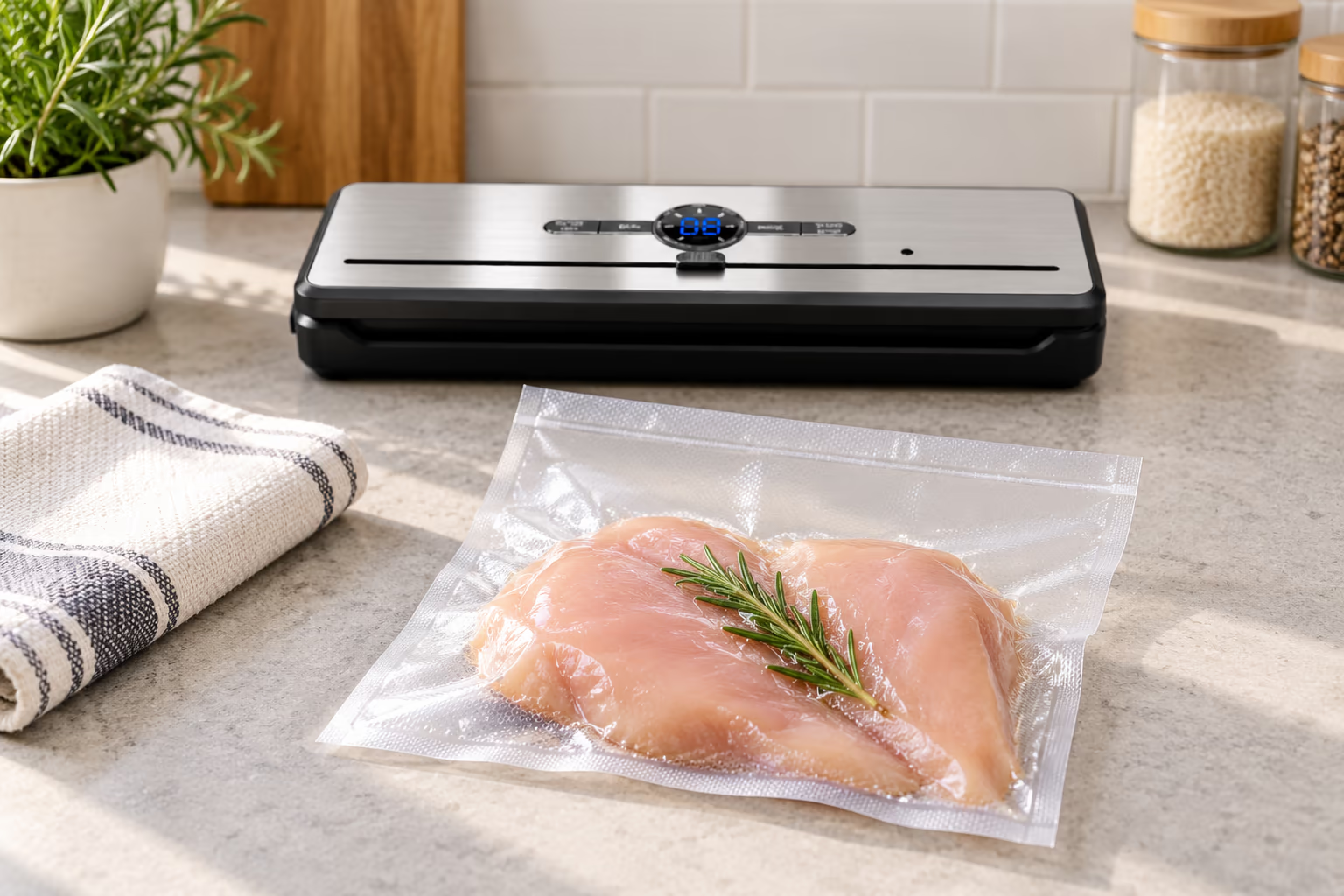
Identify the extraction system before choosing the pouch. Channel-type external machines usually need embossed bags. A nozzle machine may accept a specified smooth pouch; a handheld pump needs matching valve bags or containers. Record the exact model and approved consumables rather than treating all external machines as one system.
vacuum bags for meat and seafood
Protect the Seal Area
Most counter failures are practical rather than mysterious: liquid or fat reaches the sealing area, a pouch is overfilled, the opening is folded, or the operator moves the pack before the seal has completed its cooling sequence.
Build a simple routine around those risks. Keep the product cold, leave enough clean pouch above it, keep the seal area flat and dry where the product permits, use the machine procedure for moist products, and inspect the finished seal before the pack goes into storage or onto display. If a wet product repeatedly creates contamination at the opening, change the loading method or equipment workflow rather than relying on a stronger setting alone.
Liquid control is particularly important on an external-suction machine because air is drawn through the pouch opening. Chamber equipment can offer a different workflow for liquids, but still depends on a clean sealing surface.
Labeling and Rotation
Every pack should carry the product name, packing date, weight where relevant, storage instruction, and any traceability or market-required label information. Rotation still matters: vacuum packaging does not make meat shelf-stable, and it should not be used to rescue a product already close to quality failure. Packaging helps preserve the condition at the time of sealing; it does not reverse poor handling.
Manage Color Expectations
Fresh meat can look darker or more purplish under vacuum because oxygen has been removed. Customers used to bright-red overwrap packaging may mistake that appearance for a quality issue. Staff should explain the expected appearance according to the shop’s product and quality procedure, and avoid a generic freshness claim.
Vacuum packaging can be useful for freezer and back-of-house storage. For a front-counter display where a particular colour presentation is important, the retailer may choose another packaging method for selected products. The packaging format should match both the product-control process and what the customer expects to see.
Customer-Facing Opportunities
Vacuum packing can be a customer service as well as a back-room task. Shops may offer freezer-ready family packs, meal-prep portions, marinated packs, or sous-vide-ready cuts. Clear labels and a well-chosen pouch can make the product easier to store and present.
For retail channels, branded bags or printed labels can reinforce the shop identity. For distributors, a starter offering that pairs a suitable sealer with compatible embossed bags can serve small meat shops and foodservice buyers.
A Counter-Ready Checklist
Before a new packing routine goes live, confirm:
- the pouch sizes and formats cover the real product mix;
- the seal is repeatable with the intended product and settings;
- staff know how to keep the seal area clean and inspect it;
- labels and rotation rules are ready; and
- the cold-chain and food-safety process remains in control after packing.
VANTASE can help buyers compare embossed bags, rolls, machine options, and private-label packing formats against the cuts and sales channel they actually serve. Contact VANTASE